
Day-by-day itinerary
Day 1
Introduction to the Biodiversity
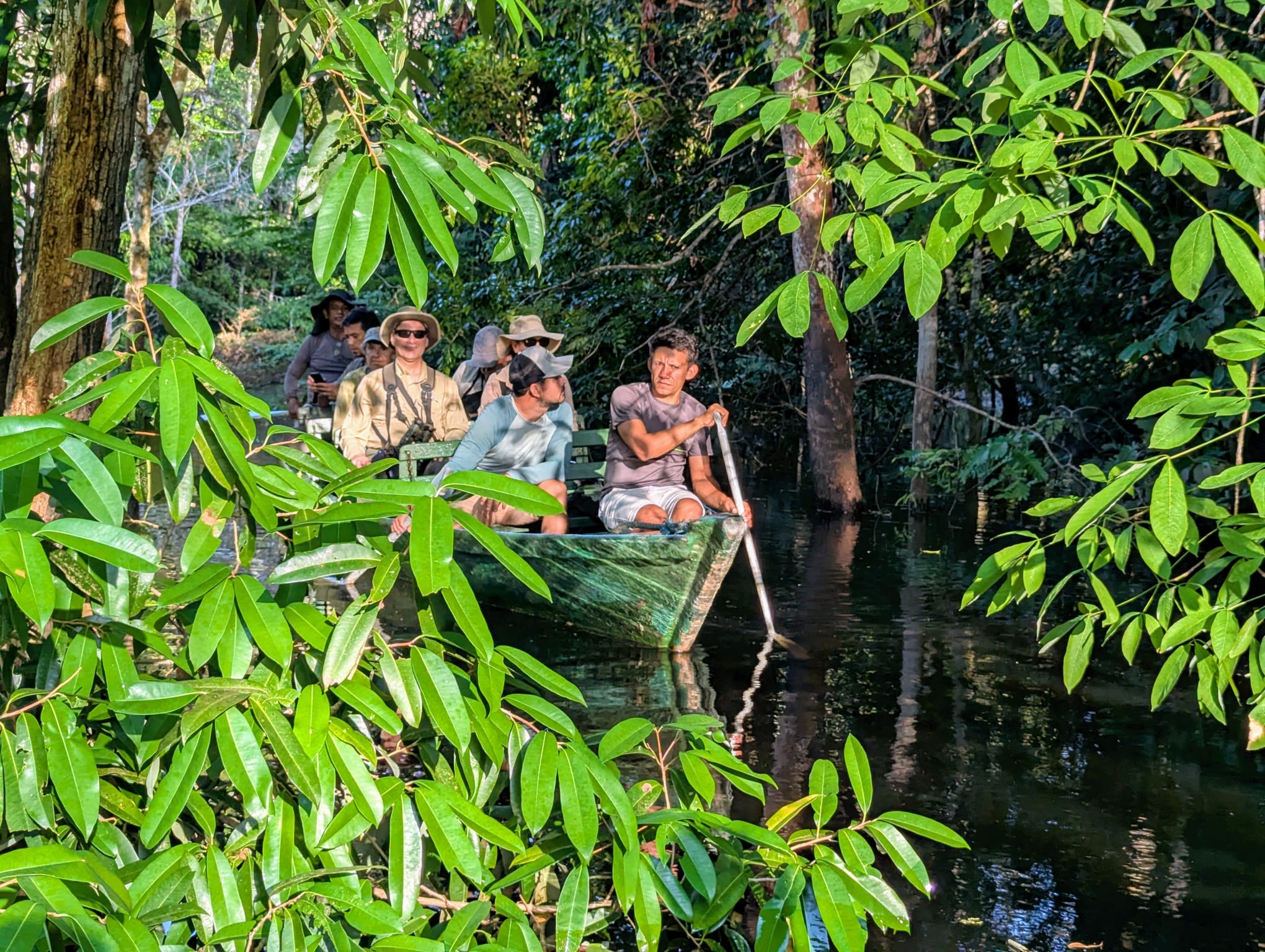
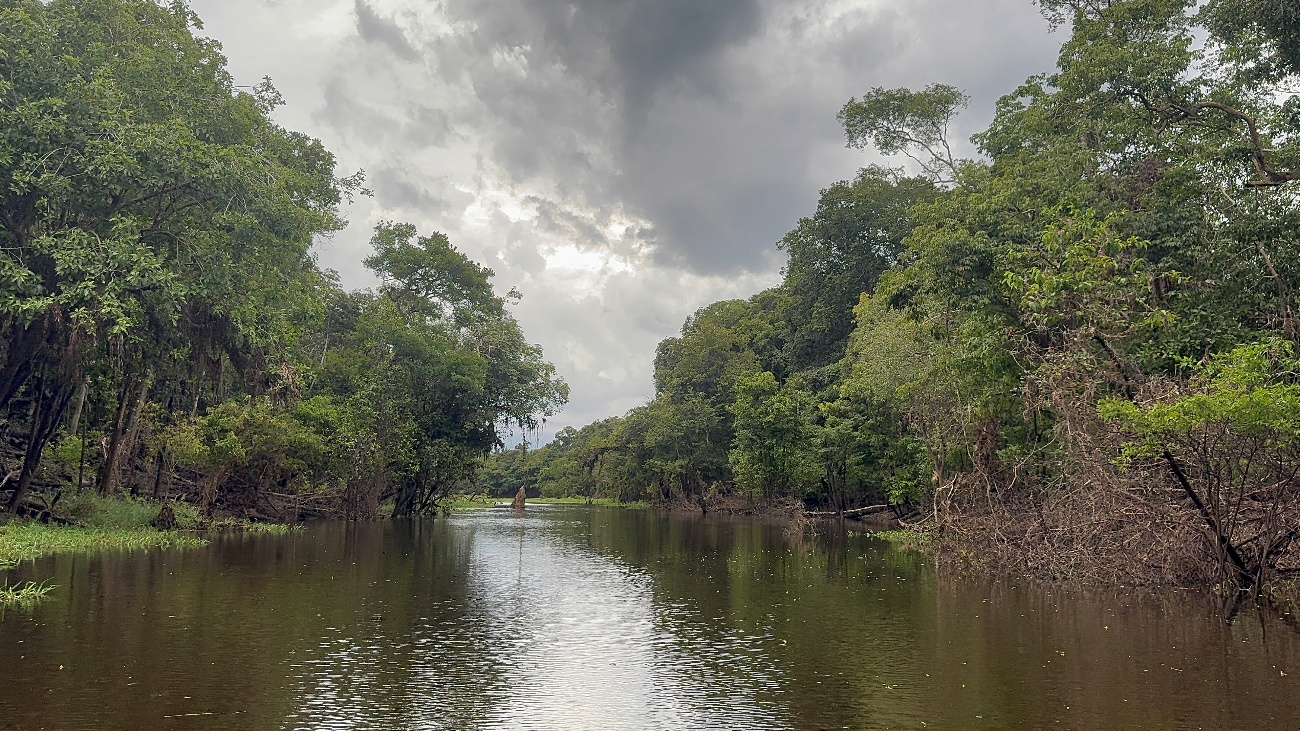
Departure at 5:00 AM from your Manaus hotel for the Adolpho Ducke Reserve — one of the most species-rich tracts of urban forest on the planet. The canopy observation tower puts you above the treeline at first light, where macaws, toucans, and parrots move through the canopy as your guide names every call. After breakfast, a speedboat transfers you south to the SDR eco-lodge on the Rio Negro basin. The afternoon is spent exploring the Igapó flooded forest by canoe — gliding silently through submerged trees as the sun drops and the forest shifts colour. Sunset on the river, with the first bats emerging overhead.
Day 2
Pink Dolphins & Uacari Monkeys
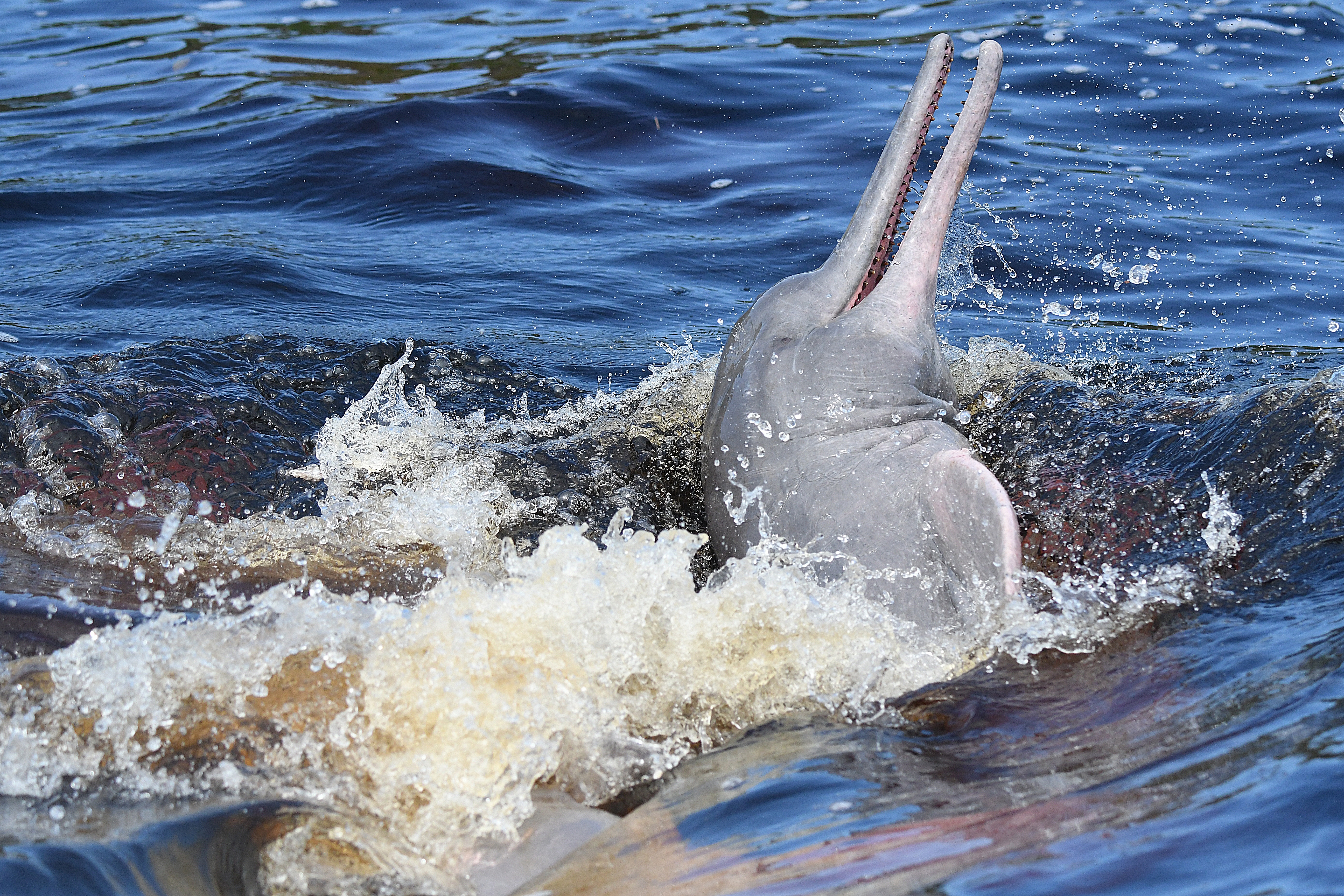
5:30 AM: the canoe moves through mist-covered Igapó as dawn light filters through the flooded canopy. By 8:30 AM, breakfast is served — and shortly after, we move through pink river dolphin habitat in their natural river territory. These are wild animals, unhurried and curious, moving around the boat on their own terms. The afternoon turns to the forest in search of the Golden-backed Uacari — one of the Amazon's most striking primates, with its hairless crimson face and golden coat. Your guide knows the feeding trees and the patrol routes. Night aboard the riverboat.
Day 3
Anavilhanas & Night Jungle Walk
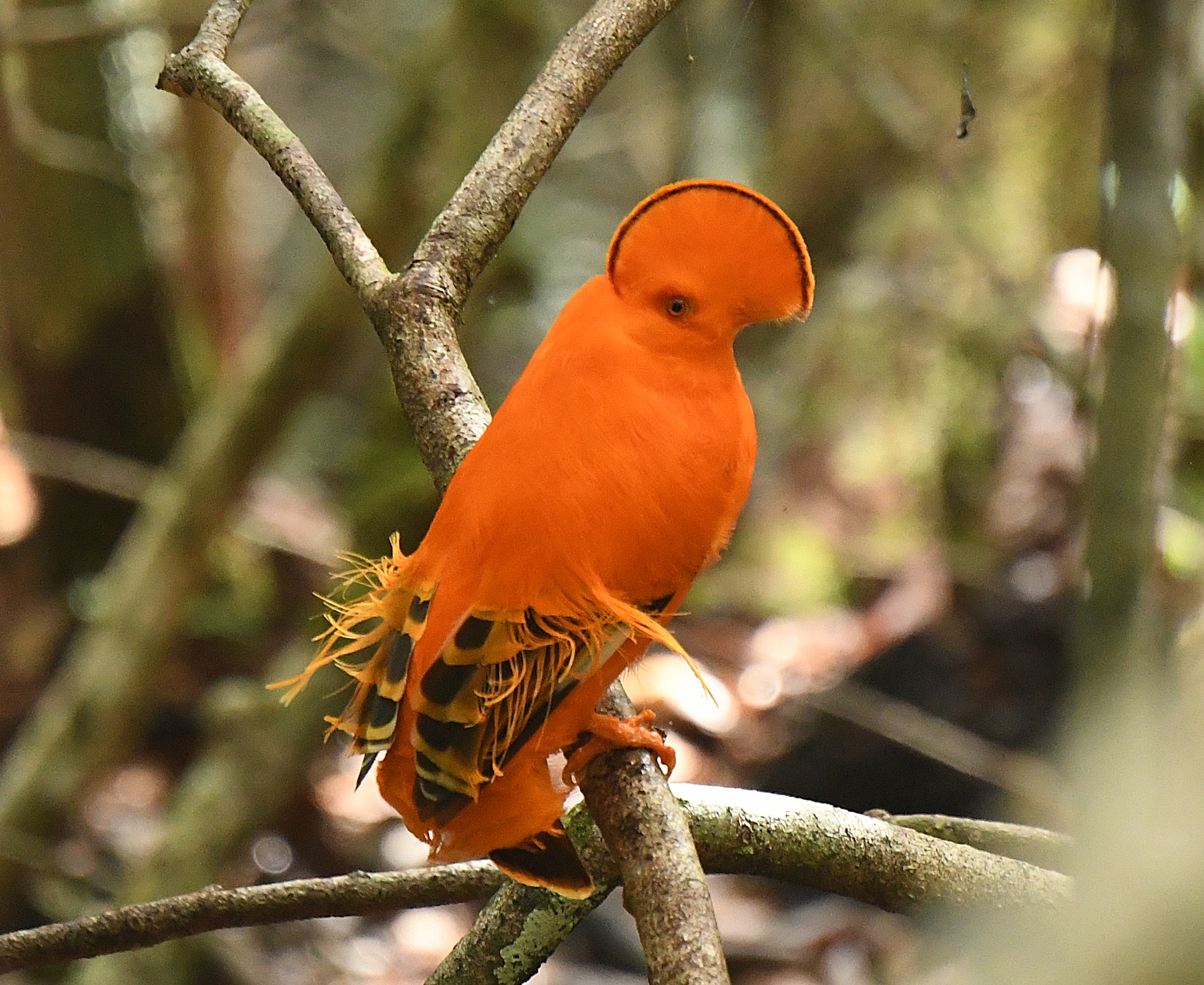
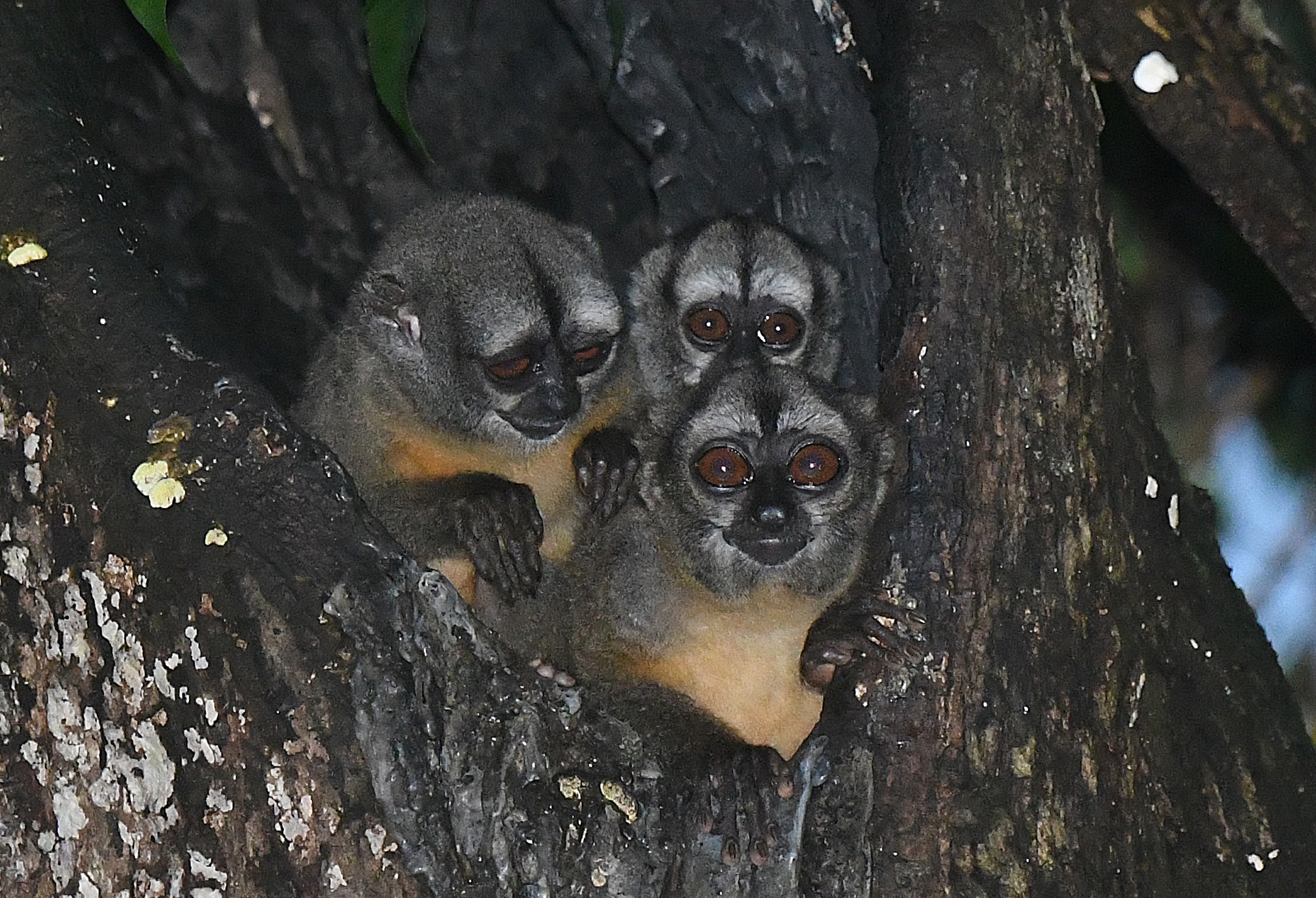
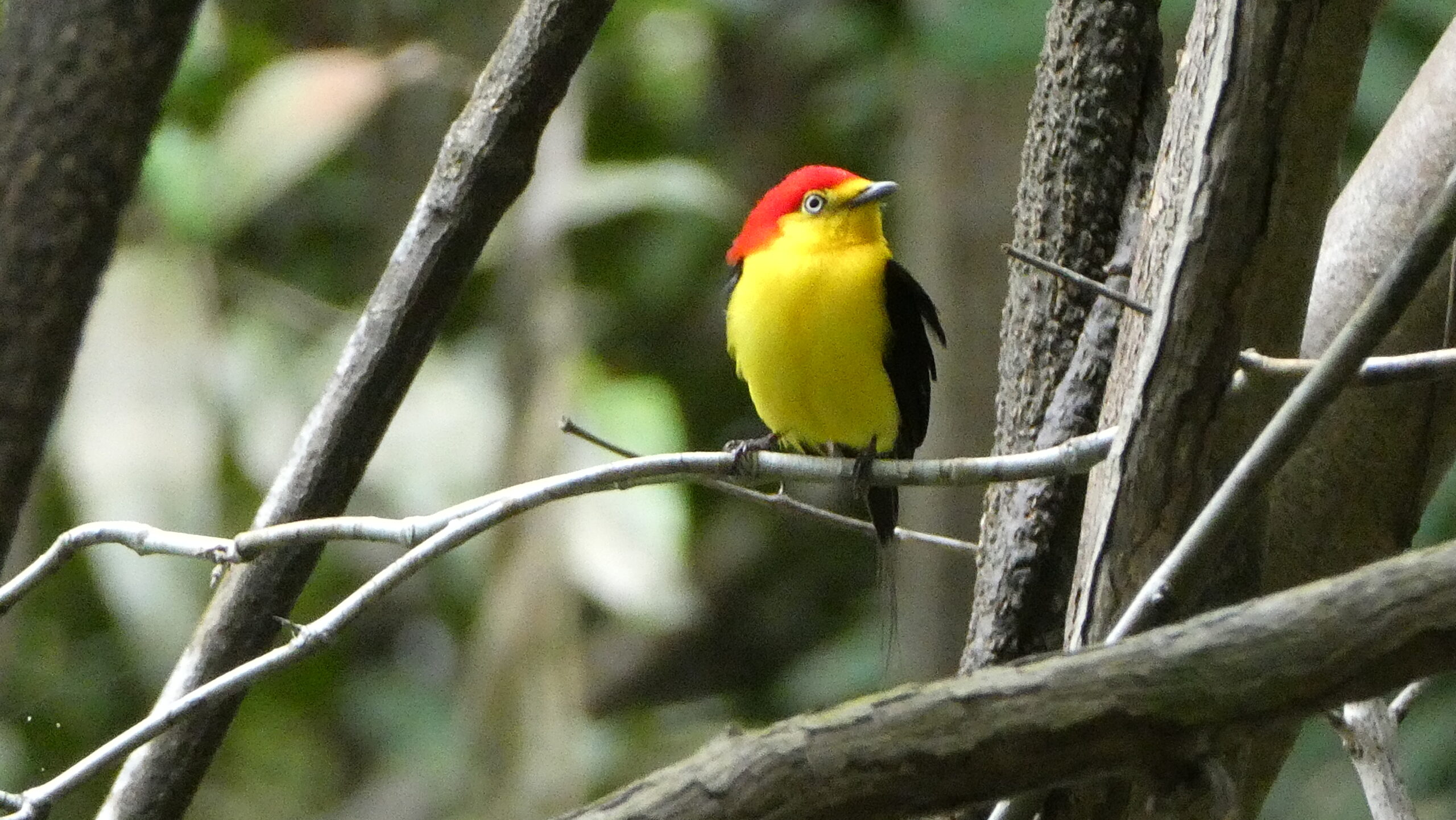
5:00 AM into the Anavilhanas archipelago — the world's largest river island system, where the Rio Negro divides into a thousand channels, each with its own character. Wire-tailed Manakin observation after breakfast, the male's improbable display performed on a cleared perch in the understorey. In the afternoon, we move to the Apuaú uplands and the tour's most atmospheric moment: a night jungle walk after dark. Your guide carries a flashlight but uses it sparingly — caimans glow orange at the water's edge, tree frogs call from every surface, and the forest you walked through by day becomes entirely different terrain.
Day 4
Jungle Walk — Flora & Ecosystem Interactions
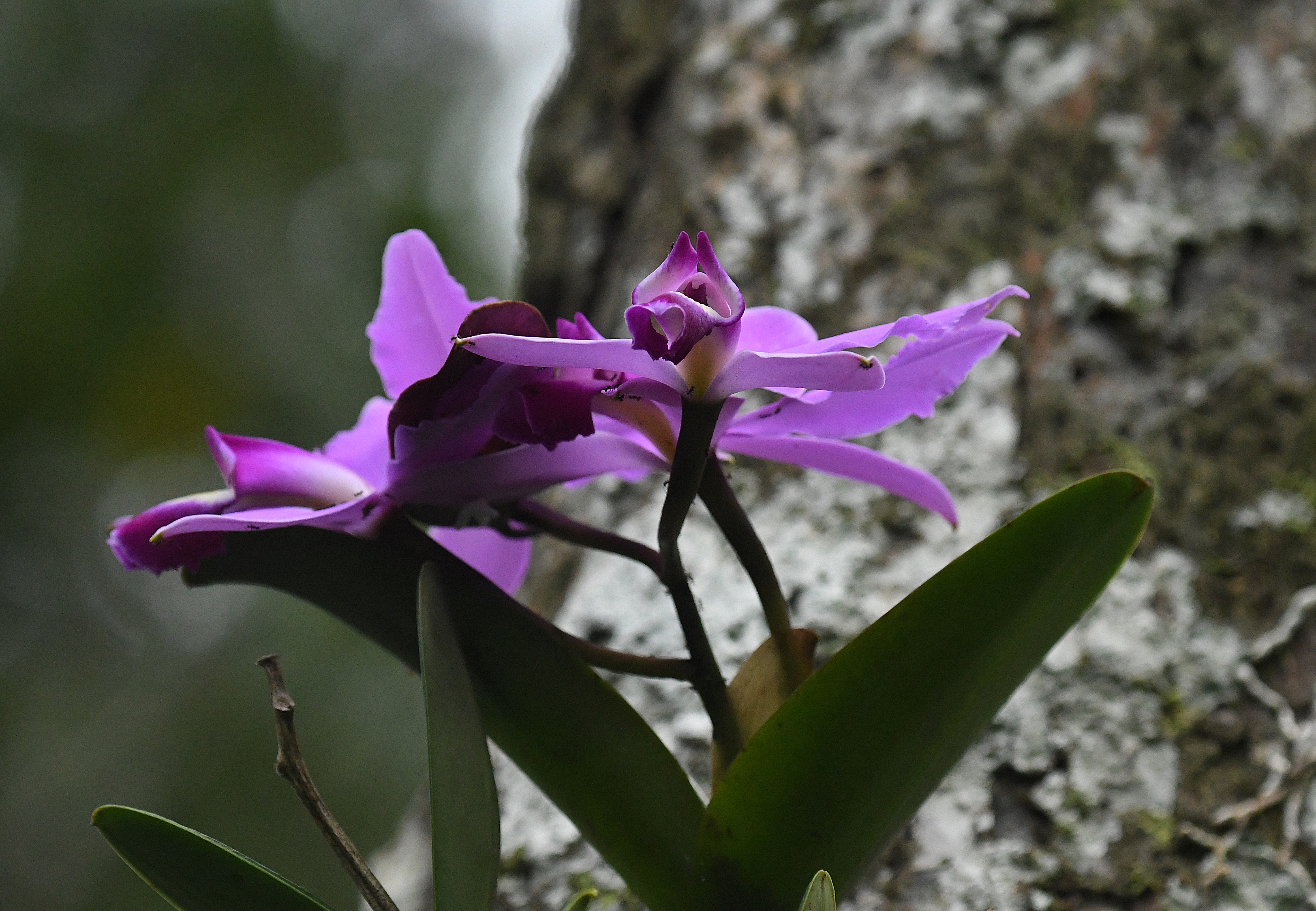
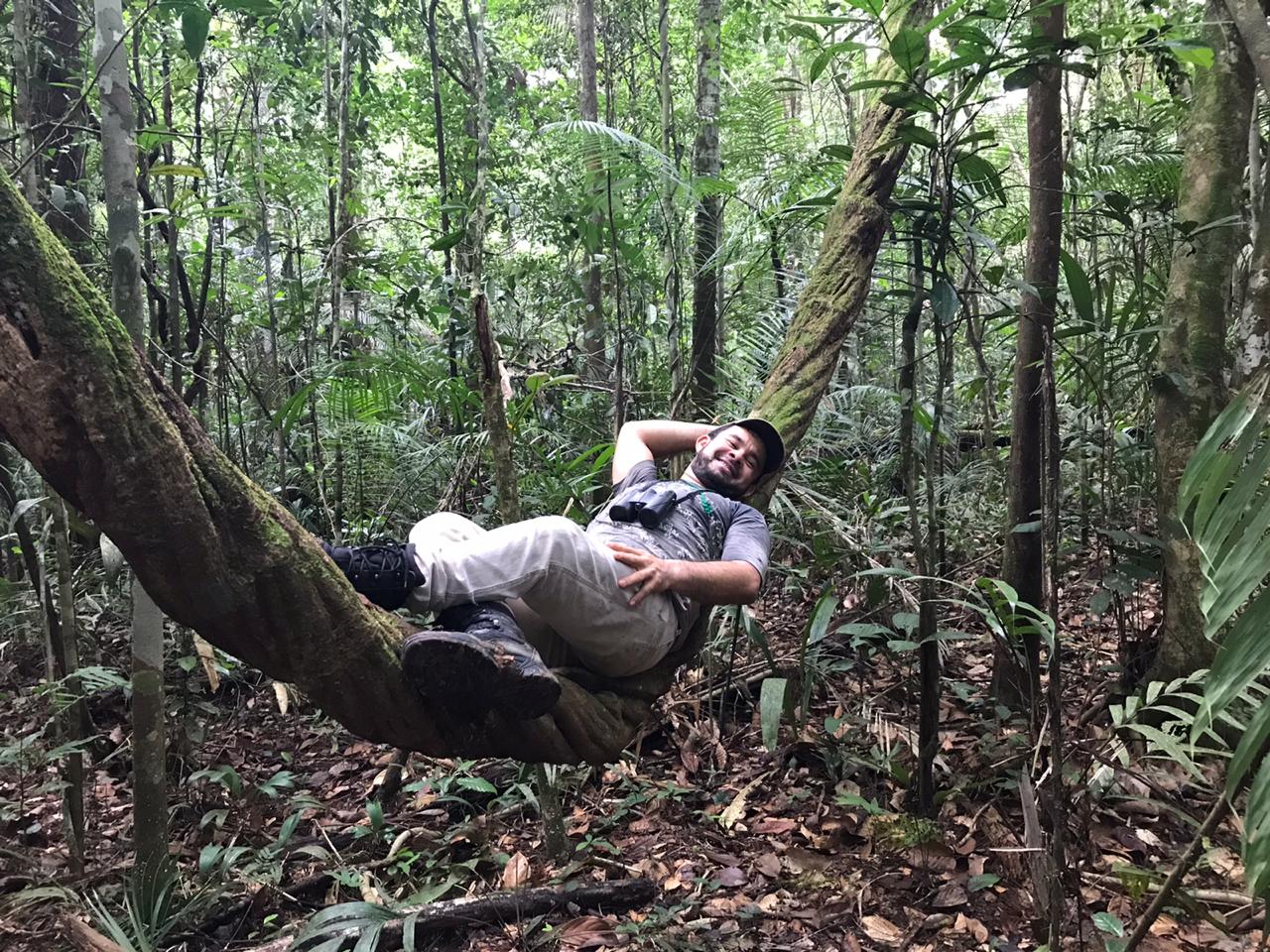
Breakfast at 6:00 AM before entering the forest on foot. This day belongs to ecology — not just what lives here, but how. Your naturalist guide traces the relationships between canopy figs and the birds that disperse their seeds, shows you the chemical defences of the Heliconia, points out the ant highways on buttress roots, and explains the ethnobotanical role of plants that indigenous communities have used for centuries. It is a slow, methodical day — the kind that changes how you look at a forest. Afternoon navigation downstream, scanning riverbanks for wading birds and raptors. Night aboard the boat.
Day 5
Meeting of the Waters & Várzea Floodplain
The morning explores the vast Várzea floodplain — white-water forest at the edge of its seasonal flood pulse, teeming with species that have adapted to living between land and river. At midday, we cross the Meeting of the Waters: the point where the dark, acidic Rio Negro and the pale, silty Amazon run side by side for miles without mixing — a visible boundary between two ecosystems. The afternoon is spent in a paddle canoe, moving quietly through flooded gallery forest, with the guide calling out species overhead that would be invisible from a motorboat. Regional Amazonian cuisine for all meals. Night aboard the boat.
Day 6
Birdwatching — Endemic Species
5:30 AM in a paddle canoe, moving without sound through channels where endemic bird species are concentrated along the shoreline. The discipline of silent paddling — approaching slowly, pausing, waiting — is what separates a good observation from a great one. Breakfast at 9:00 AM before entering the forest on foot for trail-based birding: closer identification work, following mixed-species flocks through the understorey, and finding the species your guide has been patiently holding back for this moment. The afternoon is free for swimming, photography, or simply sitting at the water's edge watching the river traffic pass.
Day 7
Wildlife of the Pristine Forest
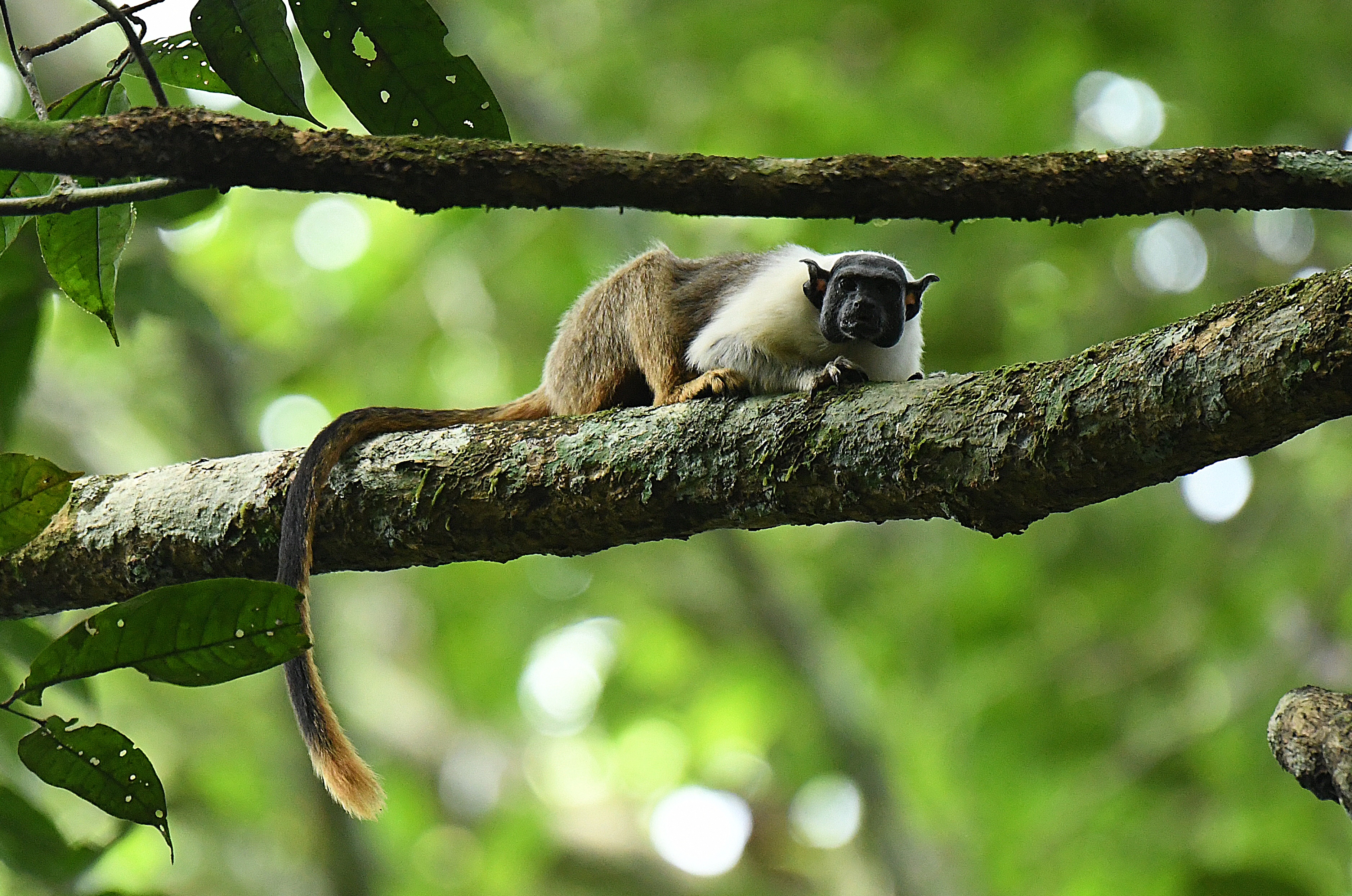
Breakfast at 6:30 AM before a morning walk through primary forest that has never been logged — a different quality of silence, a different density of life. The guide's attention turns to the overlooked: tree frogs flat against bark, bullet ants on their columns, spiders with webs spanning entire clearings, and the small mammals that move through the undergrowth in the first hours of daylight. The afternoon takes us downstream along the Madeira River, scanning the margins as the forested banks scroll past. The light on the water at this hour, with the river broadening toward the Amazon, is something most visitors spend the journey in silence.
Day 8
Amazon River — Return to Manaus
5:00 AM: a final speedboat run along the Amazon River as the jungle wakes around you. Tamarins move through the canopy at the water's edge; sloths hang motionless in cecropia trees; birds cross the open river in the first light. Breakfast at 8:00 AM before the long river journey back to Manaus — following the great meanders of the lower Amazon, the river growing wider with every bend until the city finally appears across the water. Eight days in the Amazon basin is long enough to begin to understand it. It is also long enough to realise how much more there is.