
Six days in the forest
Day 1 — Into the Amazon
Meeting of the Waters & Lodge Check-In
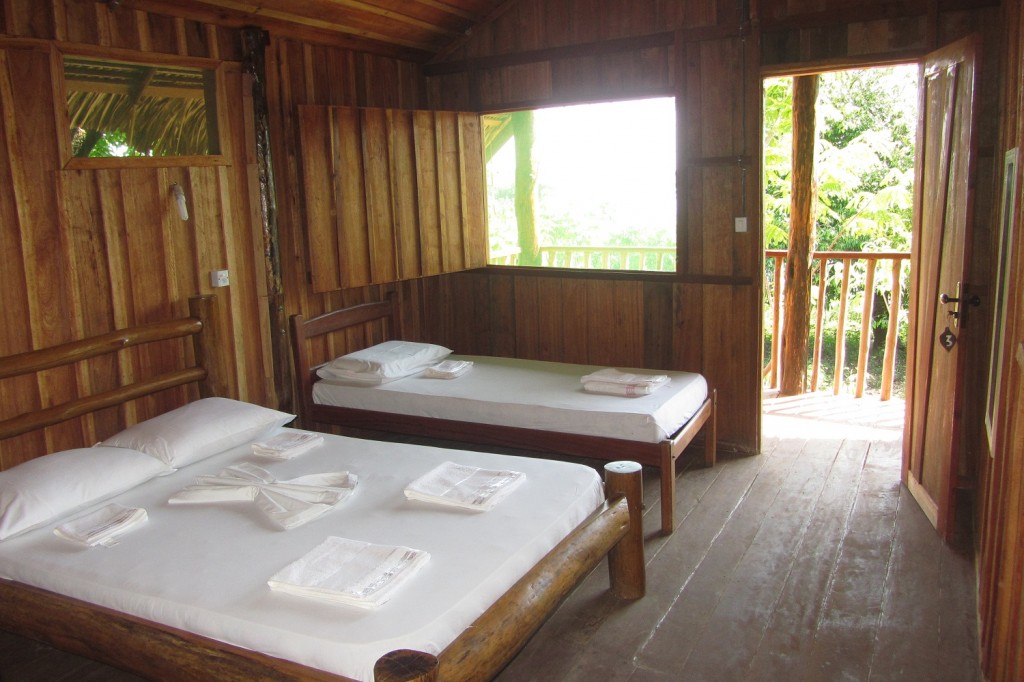
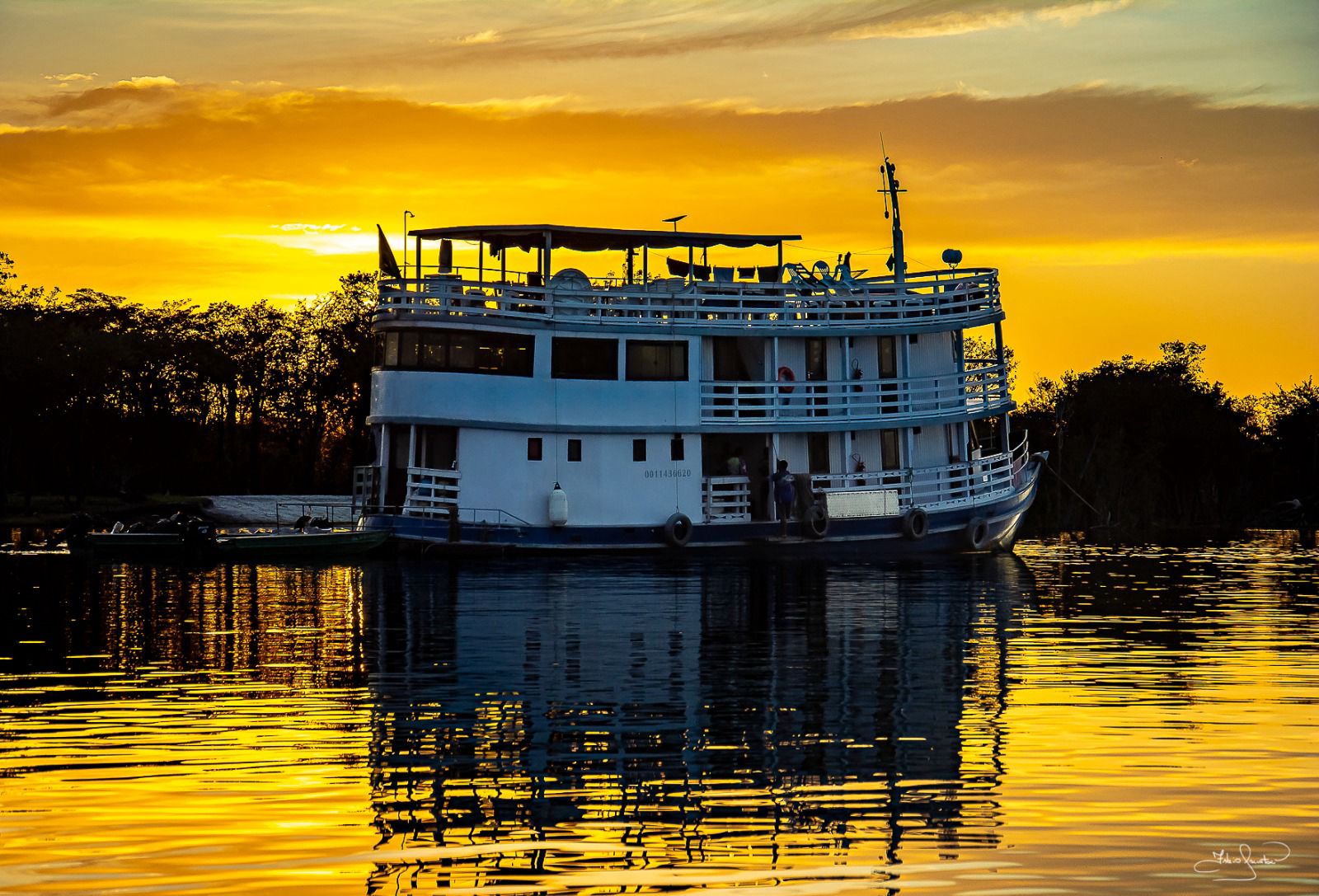
Departure from your Manaus hotel in the morning. The first stop is the Encontro das Águas — the Meeting of the Waters, where the dark, tannin-heavy Rio Negro and the pale, sediment-loaded Solimões travel side by side for approximately six kilometres without mixing. The chemistry and temperature of the two rivers are incompatible; the boundary between them is a precise, wavering line visible from the boat. From there, the route moves to the lodge: a property in primary Amazon forest accessible only by river, with no roads and no grid power.
Check-in, a first meal on the river, and — if the night is clear — a caiman search along the dark margins by spotlight, reading the orange eyeshine of Caiman crocodilus among the roots and reed beds.
Day 2 — Lodge
Guided Jungle Walk & Piranha Fishing
The second day is given to the lodge and its surrounding forest. Morning birding at first light — the primary Amazon before sunrise operates at a completely different frequency than any other hour, with the nocturnal and diurnal layers overlapping in a density of sound that no recording captures. A native guide leads the session on foot, identifying species by call as well as sight.
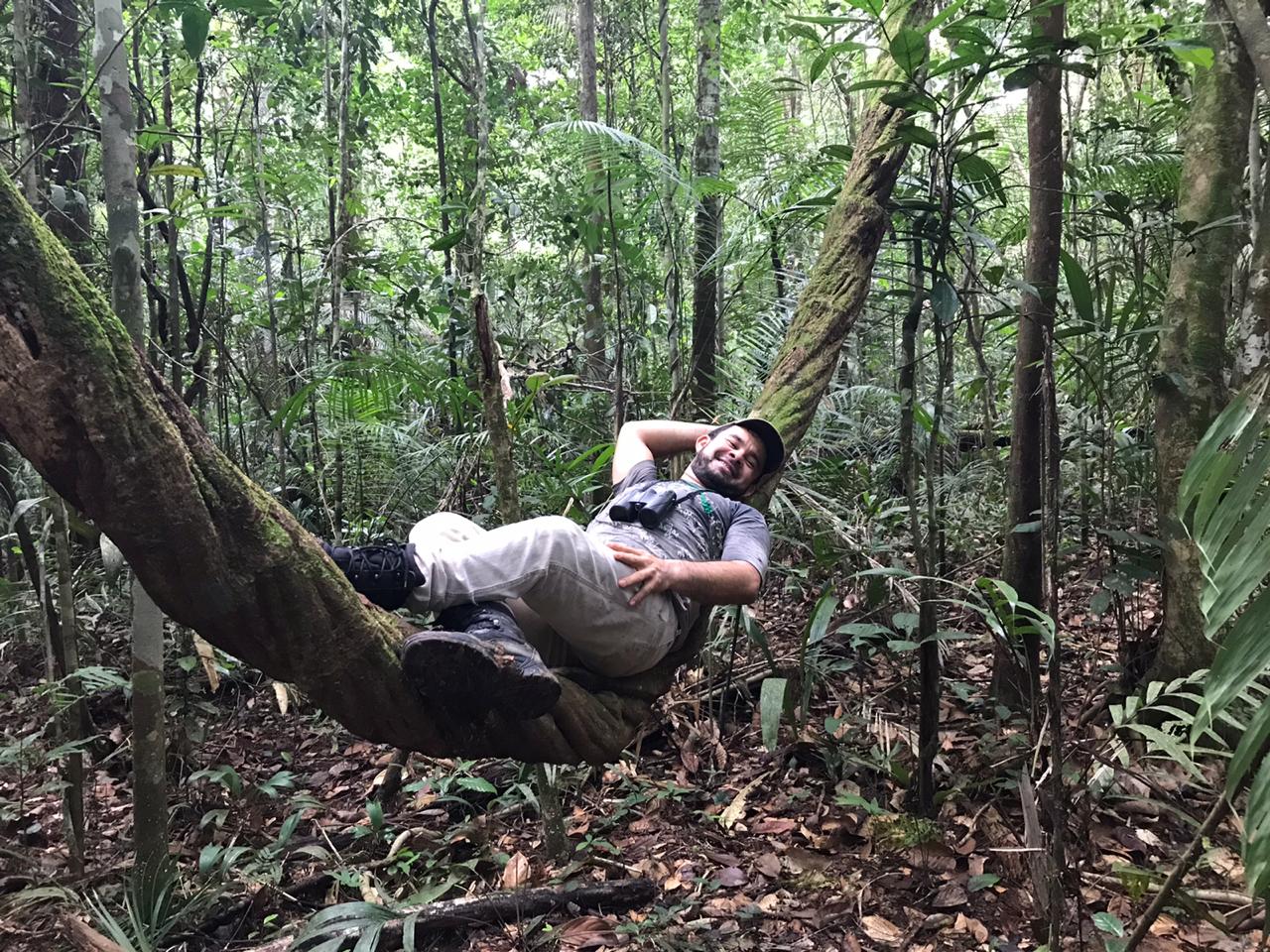
After breakfast, the group enters the primary forest: not on a prepared trail, but through actual forest terrain, navigated by a guide who grew up reading this landscape. Plant identification, animal tracking, the logic of Amazonian biodiversity. The afternoon descends to the water: piranha fishing by canoe in the channels adjacent to the lodge. By evening, the group prepares for departure toward the deep forest the following morning.
Day 3 — Deep Forest
Canoe to Lago do Arara & Tapiri Camp Setup
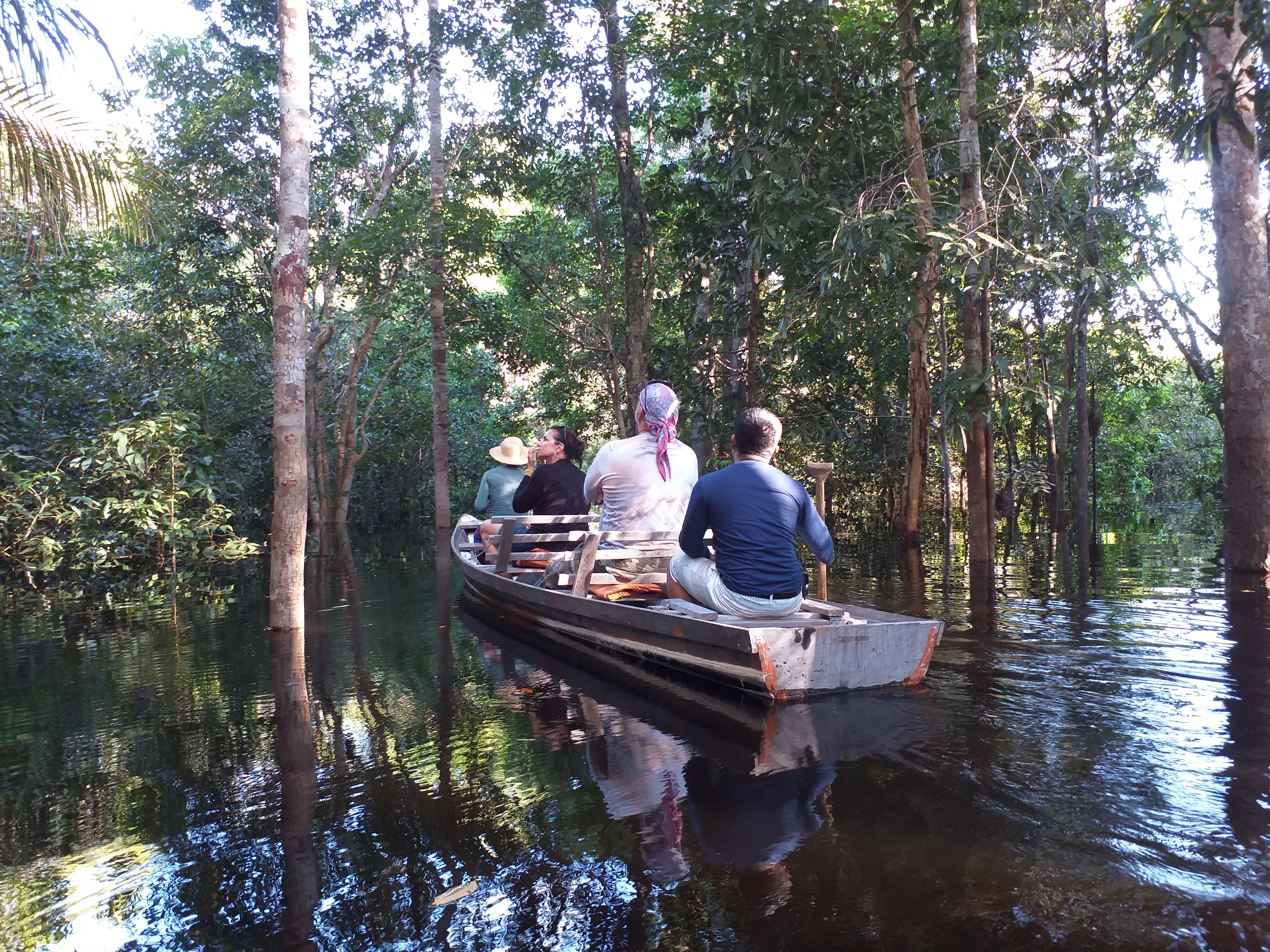
The third day moves away from the lodge and deeper into the Amazon. By canoe through the main river channel and then into progressively narrower waterways — the igarapé creeks that thread through the flooded forest — to Lago do Arara: a remote, black-water lake in primary forest accessible only by canoe.
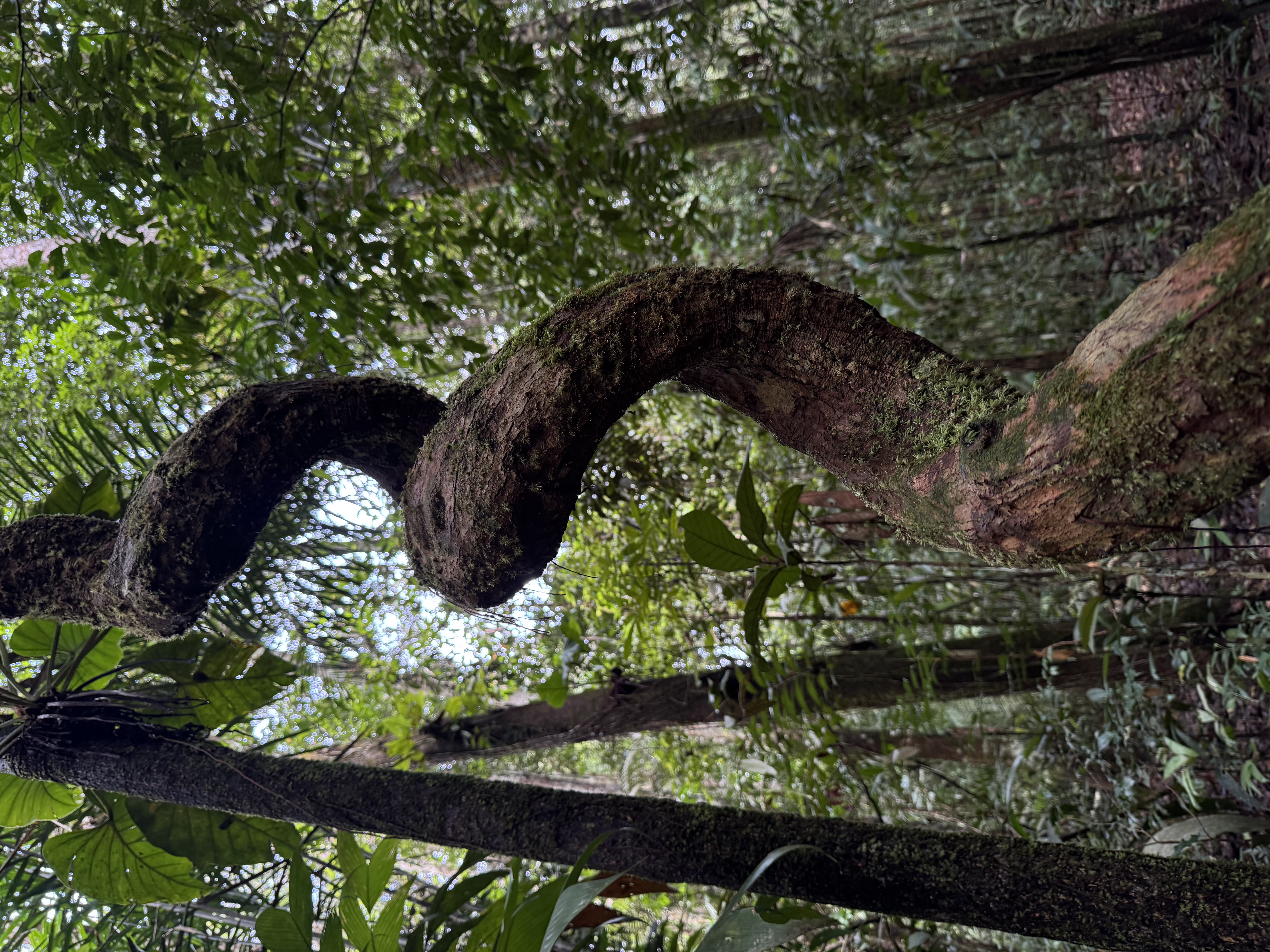
At the lake, the guide builds the tapiri: a traditional Amazonian forest shelter, constructed from palm leaves and branches, low-slung and effective against rain. This is the basic unit of Amazonian forest survival, used by indigenous people and caboclo hunters for centuries to spend nights in the forest without the weight of modern camping equipment. The group participates in the construction — not as theatre, but as a practical introduction to how life in this forest actually works. First camp fire. First night at Lago do Arara.
Day 4 — Survival
Survival Techniques & Deep Forest Exploration
The fourth day is given to the forest on its own terms. Survival skills are taught and practised — not as part of an adventure-sport curriculum but as genuine practical knowledge: reading the forest for water sources, identifying edible plants, fire-making without manufactured materials, navigation by canopy and current. These are the techniques that the guide's ancestors needed to move through this forest, and they reveal the logic of the ecosystem in ways that walking-tour formats cannot.
Between sessions, the group explores the Lago do Arara area on foot and by canoe — the lake and its surrounding forest in a more open, unstructured mode, following what the guide and the environment present. Sloth sightings are common in the cecropia trees along the margins; the lake itself supports substantial bird life. Second night at camp.
Day 5 — Wildlife
Wildlife Canoe — Monkeys, Sloths, Iguanas & Pink Dolphins
The fifth day is the wildlife day. By canoe through the flooded igapó forest at the hours when the Amazon is most active — early morning and late afternoon. The guide moves slowly, reading the canopy and the water simultaneously.
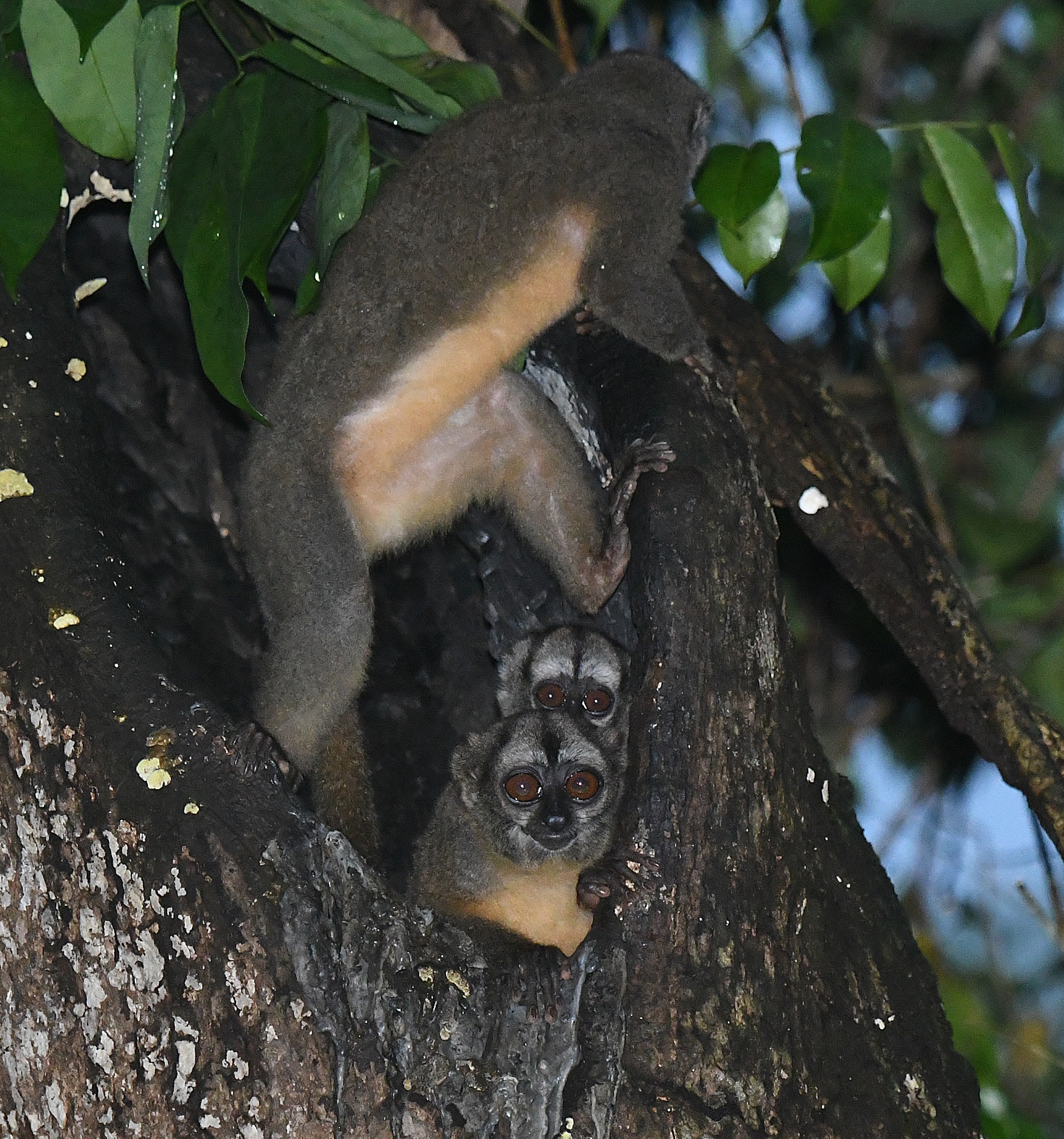
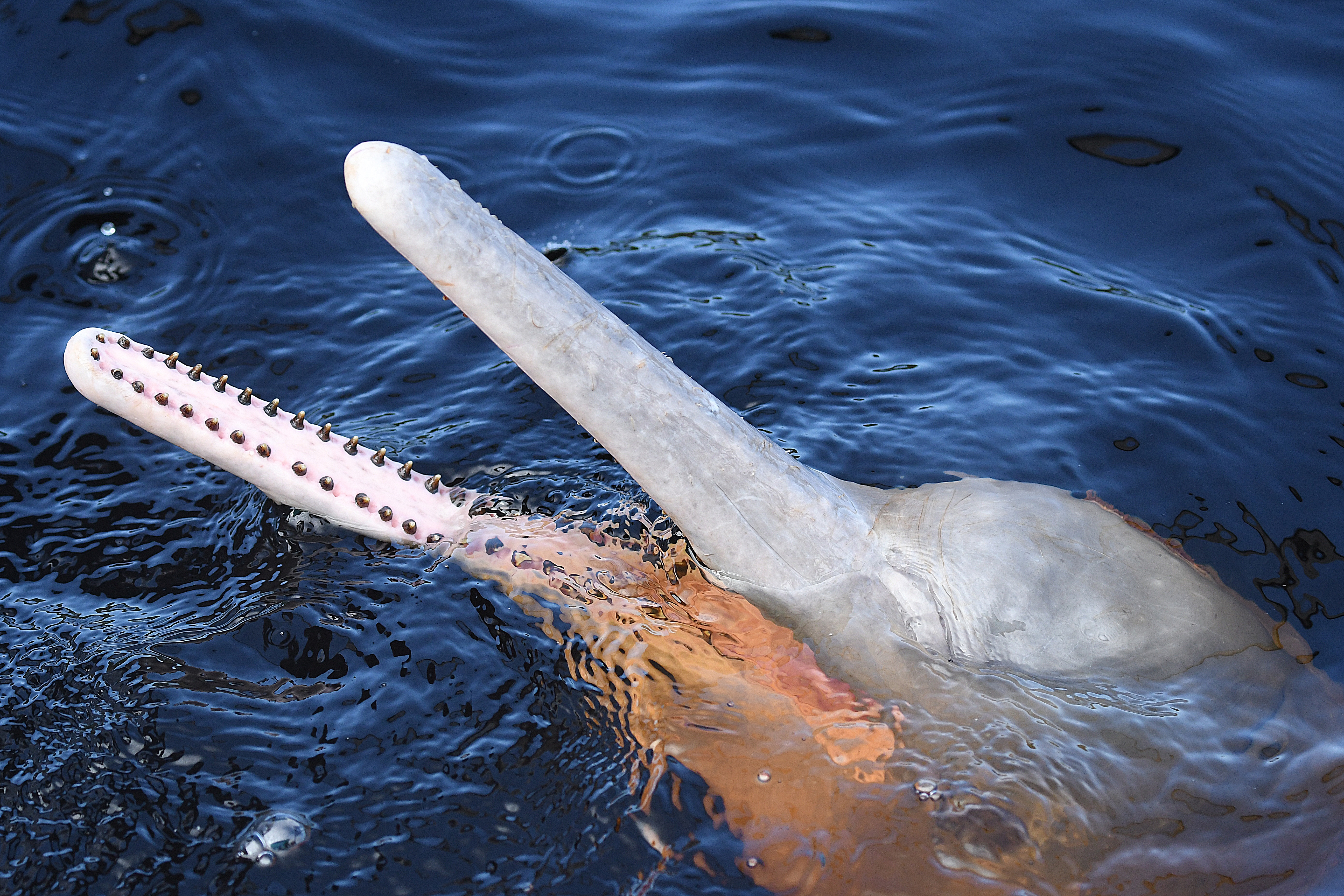
Woolly monkeys and howlers move through the upper canopy; three-toed sloths hang in the cecropia branches at the forest edge; green iguanas descend toward the water as the afternoon heat peaks; herons and kingfishers work the shallow margins; and in the open channels of the flooded forest, pink river dolphins — Inia geoffrensis — surface beside the canoe in the dark water, turning and diving in the channels between the trees. These are encounters that happen because the guide knows where to be, not because the animals have been conditioned or provisioned. Third and final night at camp.
Day 6 — Return
Camp Departure & Return to Manaus
The final morning at camp is unhurried: breakfast by the lake, a final look at the forest before packing out. The return journey follows the same river network that brought the group in — by canoe from Lago do Arara back to the main channel, then by motor boat to Manaus. The landscape looks different going back: familiar enough now to read, different enough from a city that the contrast is felt.
Drop-off at your Manaus hotel or the international airport. The guide assists with logistics either way.