
How the day unfolds
07:30 — Departure
Manaus to the Forest — Crossing the Rio Negro
Hotel pick-up at 07:30. The journey west from Manaus crosses the Rio Negro bridge — one of the longest bridges in Brazil — and follows the AM-070 highway for 36 kilometres as the city gradually gives way to secondary forest, then primary forest, then the river margins where today's route begins. Your native guide accompanies you from the start, and the first conversation typically begins somewhere on that highway, as the treeline closes in and the scale of what surrounds Manaus becomes visible for the first time.
Morning
Motorized Canoe — Rivers, Channels & Wildlife
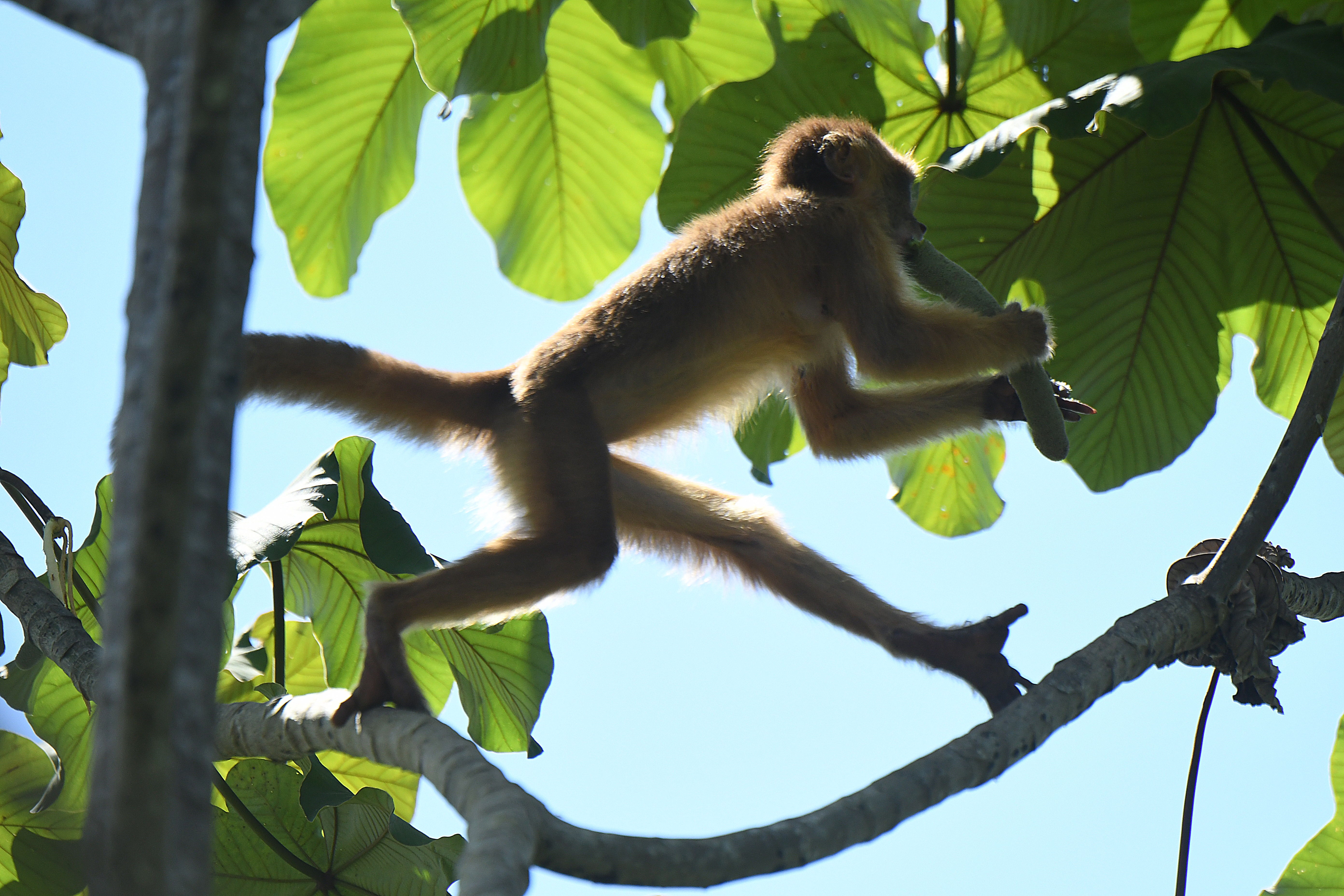
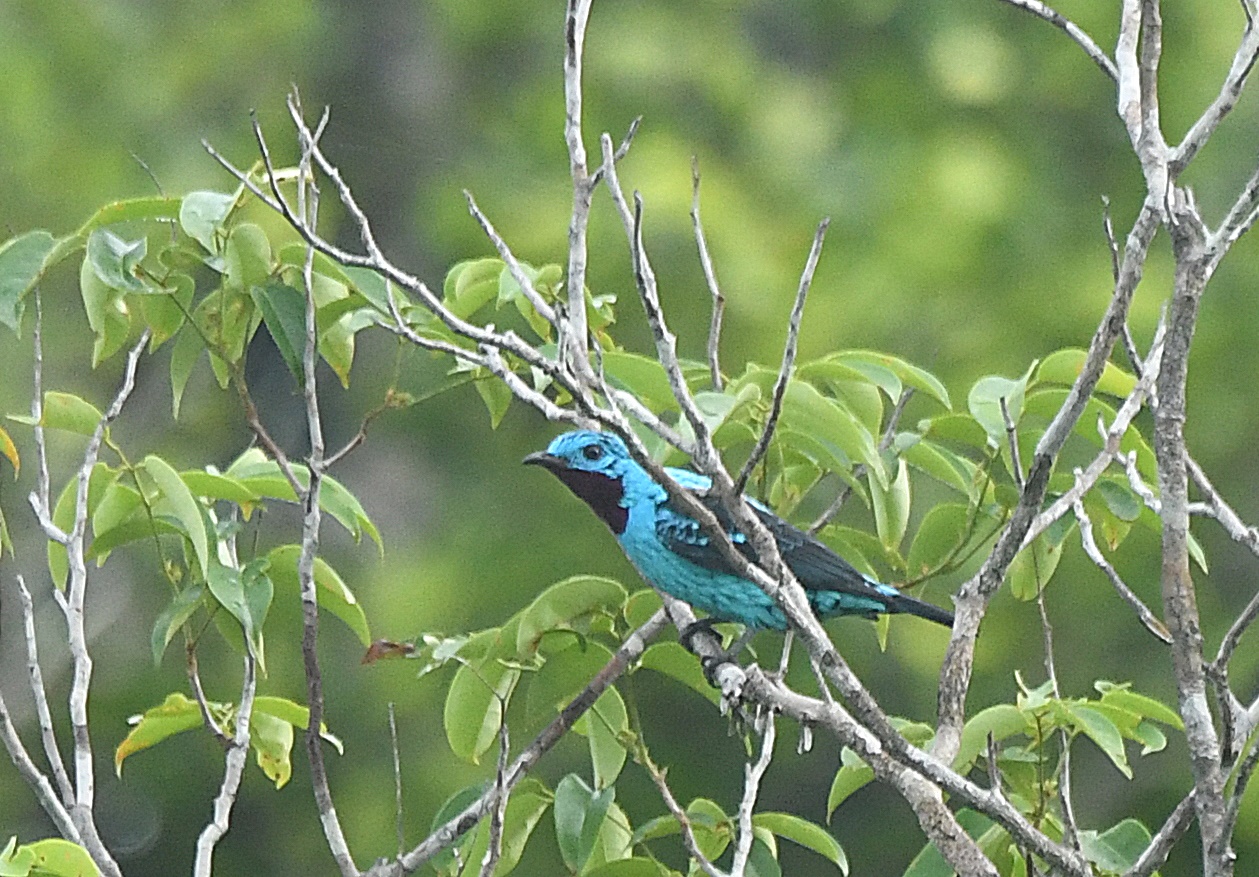
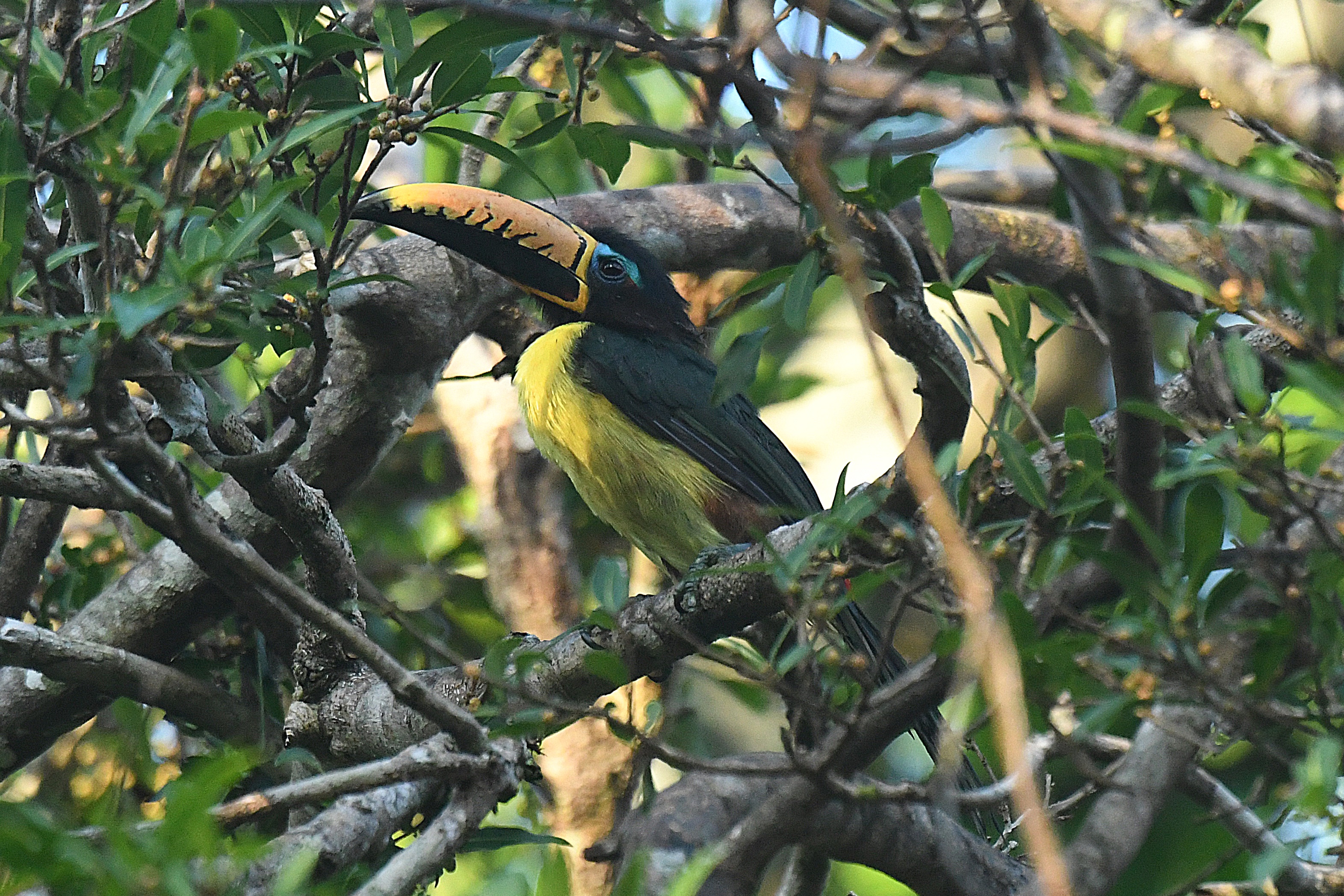
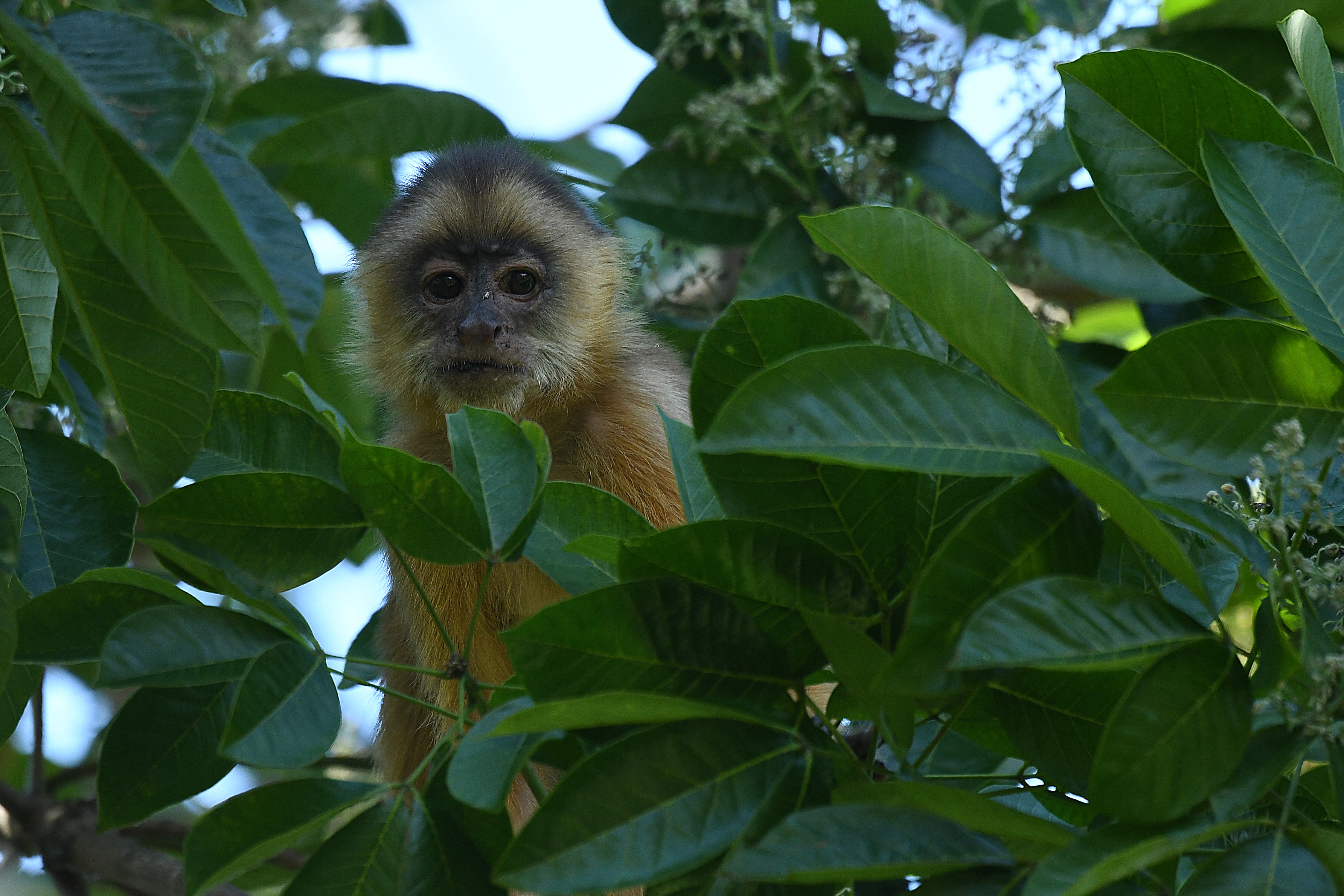
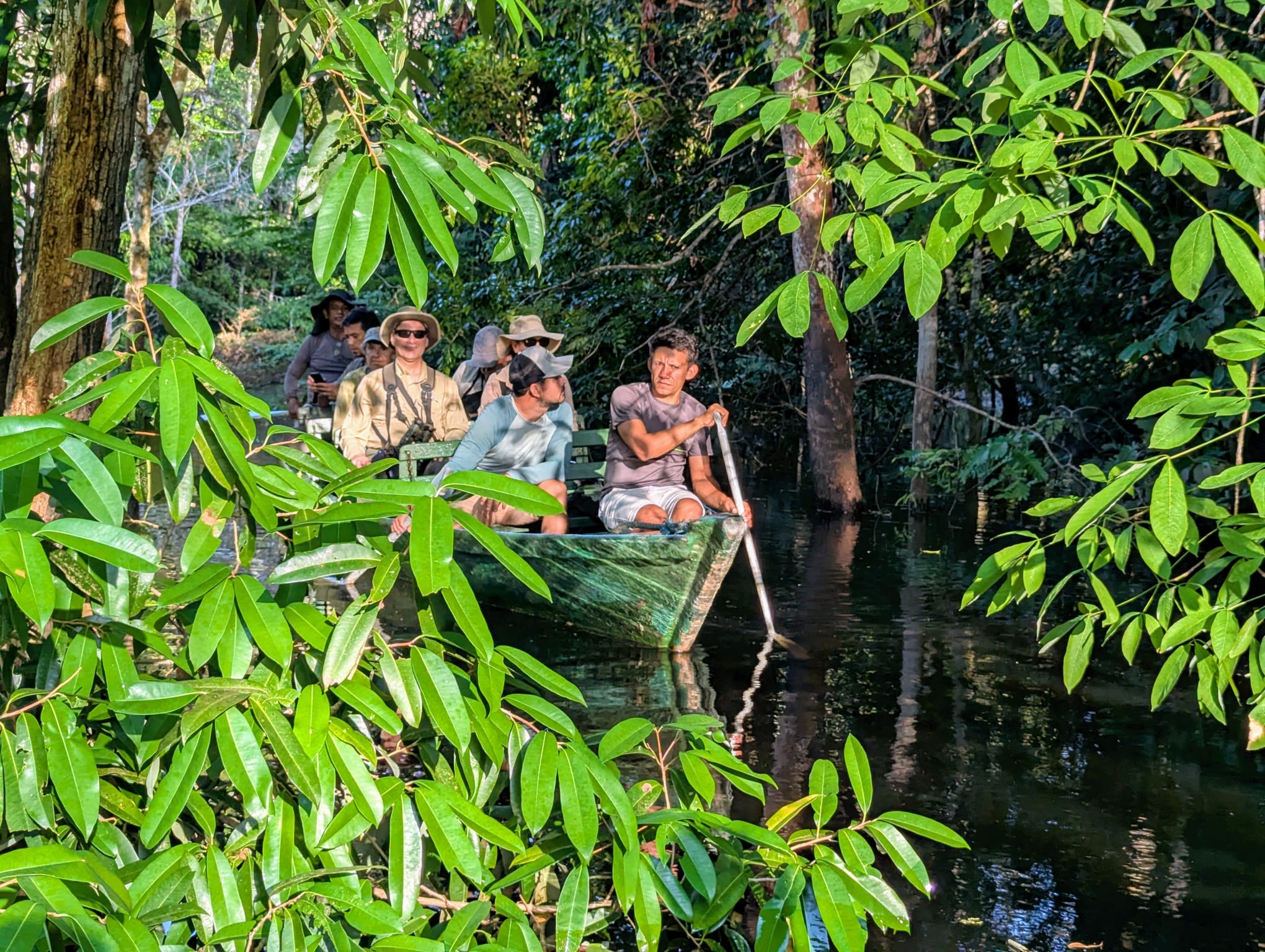
At the embarkation point, you board a 15 HP motorized canoe and enter the network of rivers and channels that feed into the Rio Negro near the Anavilhanas archipelago — one of the largest river island systems in the world, where the Rio Negro divides into hundreds of channels, each with its own ecology. The pace on the canoe is slow and deliberate. Monkeys move through the canopy at the riverbanks; macaws and toucans cross between emergent trees; herons stand motionless on half-submerged logs. The guide reads the forest from the water, pointing out what would be invisible to an untrained eye.
Mid-morning
Guided Jungle Walk — Reading the Forest
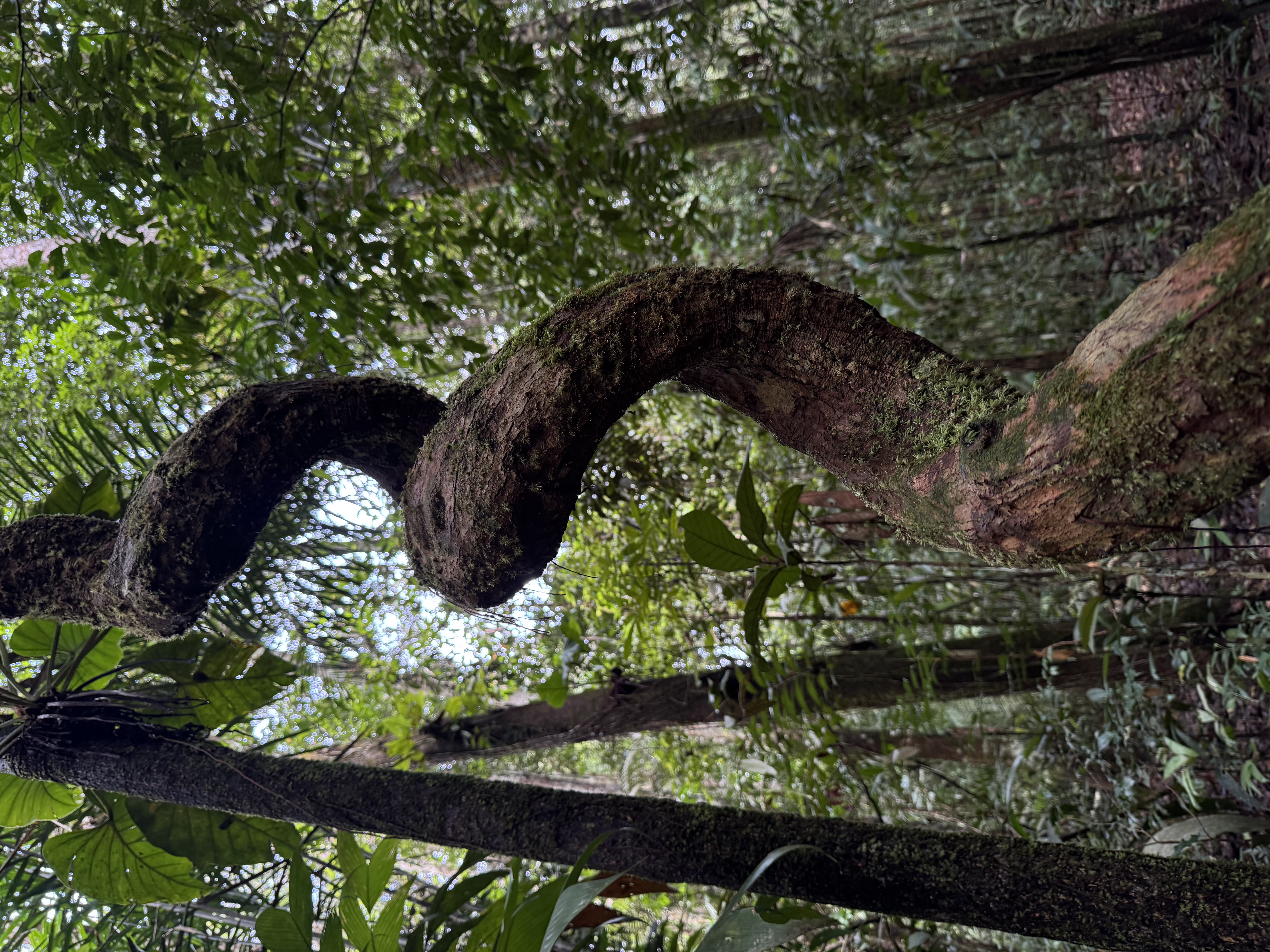
The canoe moors and the group enters the forest on foot. A native guide who has spent their life in this environment leads the walk — not through a prepared interpretation trail, but through actual primary forest, reading the landscape as they go. The session covers biodiversity, plant identification, animal signs, the relationship between species, and the ecological logic that holds the whole system together. It is the kind of guided experience that changes how you look at a forest — not just here, but anywhere you encounter one afterwards. Comfortable footwear and long trousers are recommended.
Midday
Regional Picnic Lunch & Rio Negro Beach
Lunch is a regional picnic — grilled Amazonian fish, mineral water, and simple preparations that make sense after a morning on the river. After eating, the afternoon opens up at a freshwater beach on the Rio Negro: soft dark water, fine white sand, and the kind of silence that only arrives when there is no city within sight. Swimming here — in one of the world's great rivers, in water that is warm and clear and tannin-dark — is something most visitors describe as the unexpected highlight of the day.
Afternoon — 18:30 return
Igarapés, Igapós & Piranha Fishing
The final stretch moves through igarapés — small forest streams — and igapós, the seasonally flooded forest systems where trees stand in water for months at a time and aquatic life concentrates in spectacular density. The session ends with traditional piranha fishing: a simple technique, a bamboo rod, and patience. Piranha are the most famous fish in the Amazon, and catching them is a cultural activity that local communities have practiced for centuries as a primary food source. The return drive to Manaus follows in the late afternoon, arriving by 18:30.