
Day-by-day itinerary
Day 1
Birds on the Canopy Layer — Ducke Reserve
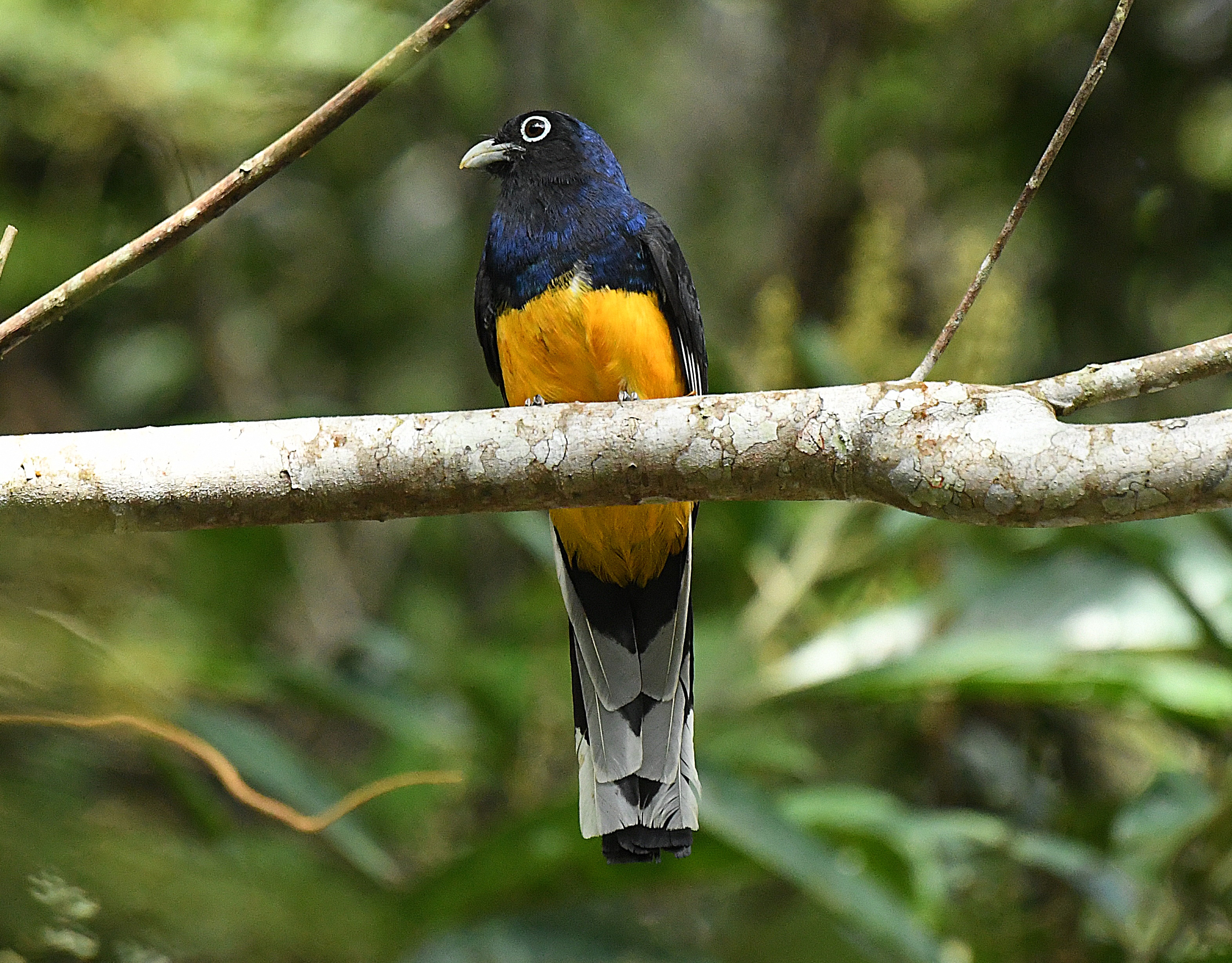
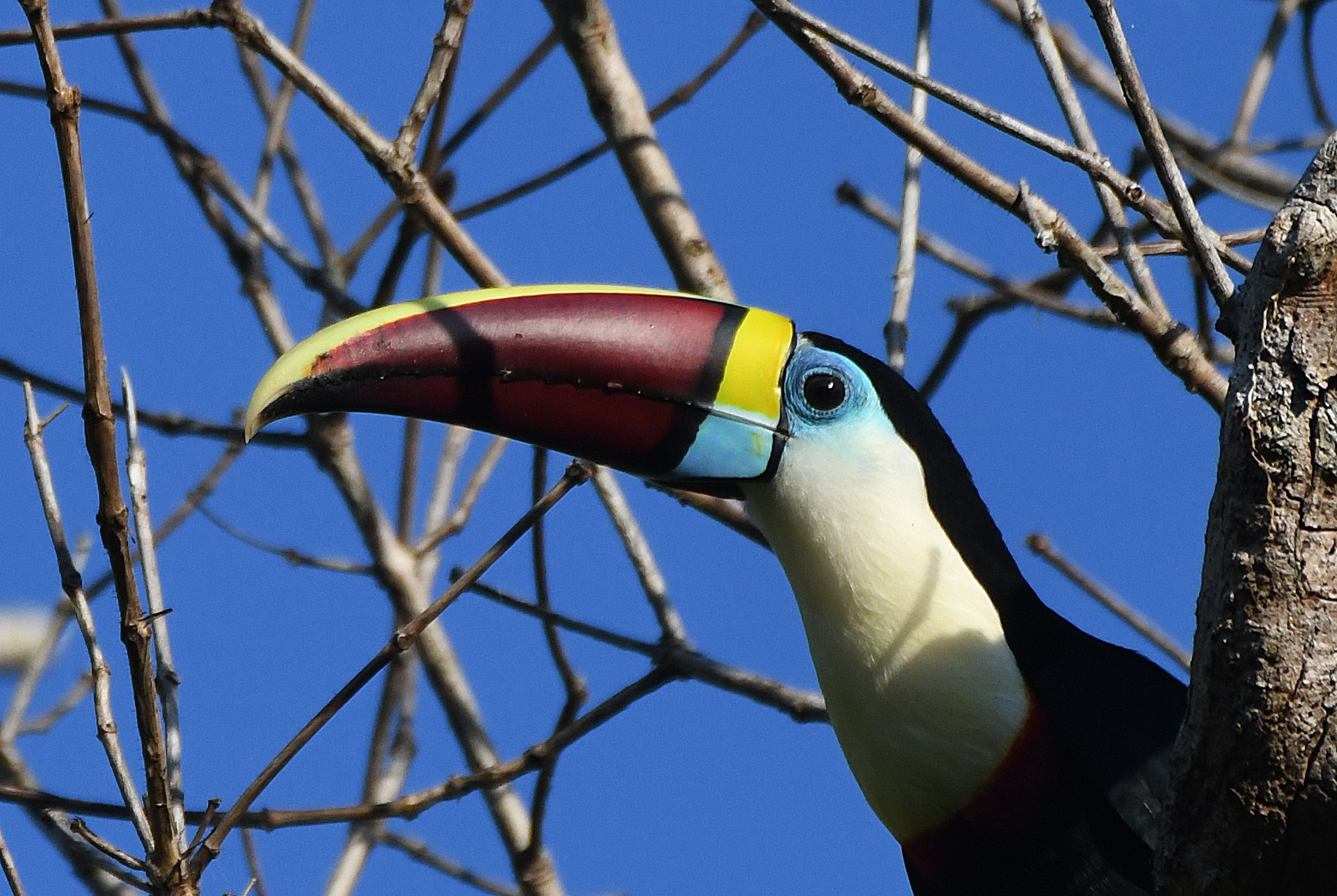
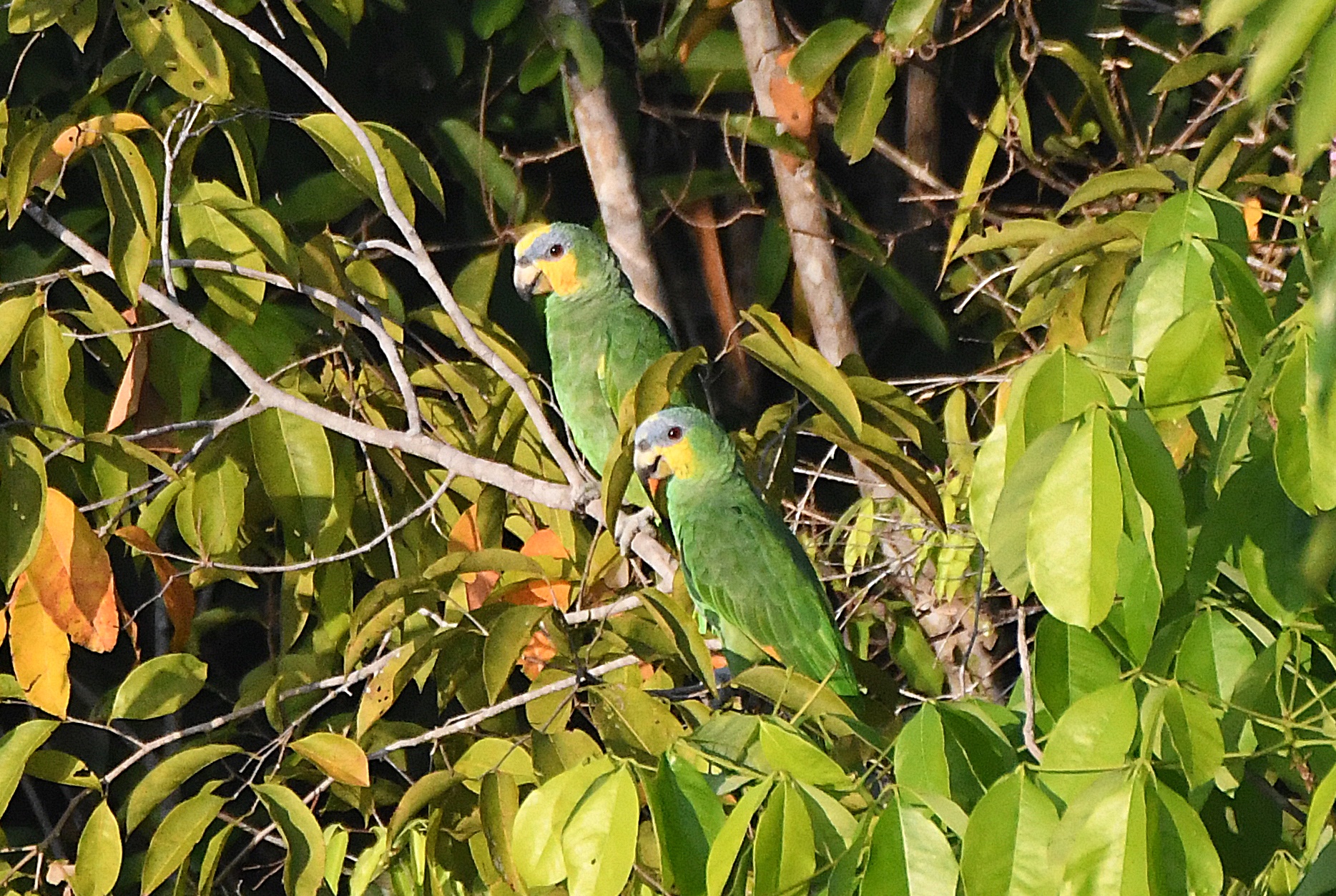
Departure from Manaus at 5:00 AM for the Adolpho Ducke Reserve, one of the most biodiverse tracts of terra firme forest accessible from the city. The centrepiece is the canopy observation tower — rising above the forest ceiling where macaws, toucans, parrots, and trogons move through the first light. After a regional breakfast at 8:00 AM, we drive 116 km north to Presidente Figueiredo. Lunch at 12:30 PM, followed by an afternoon visit to observe the Amazonian Cock-of-the-Rock at its display arena — a spectacle most birders travel thousands of miles to witness. Night at Mari-Mari Lodge.
Day 2
Jungle Walk — Terra Firme Understory
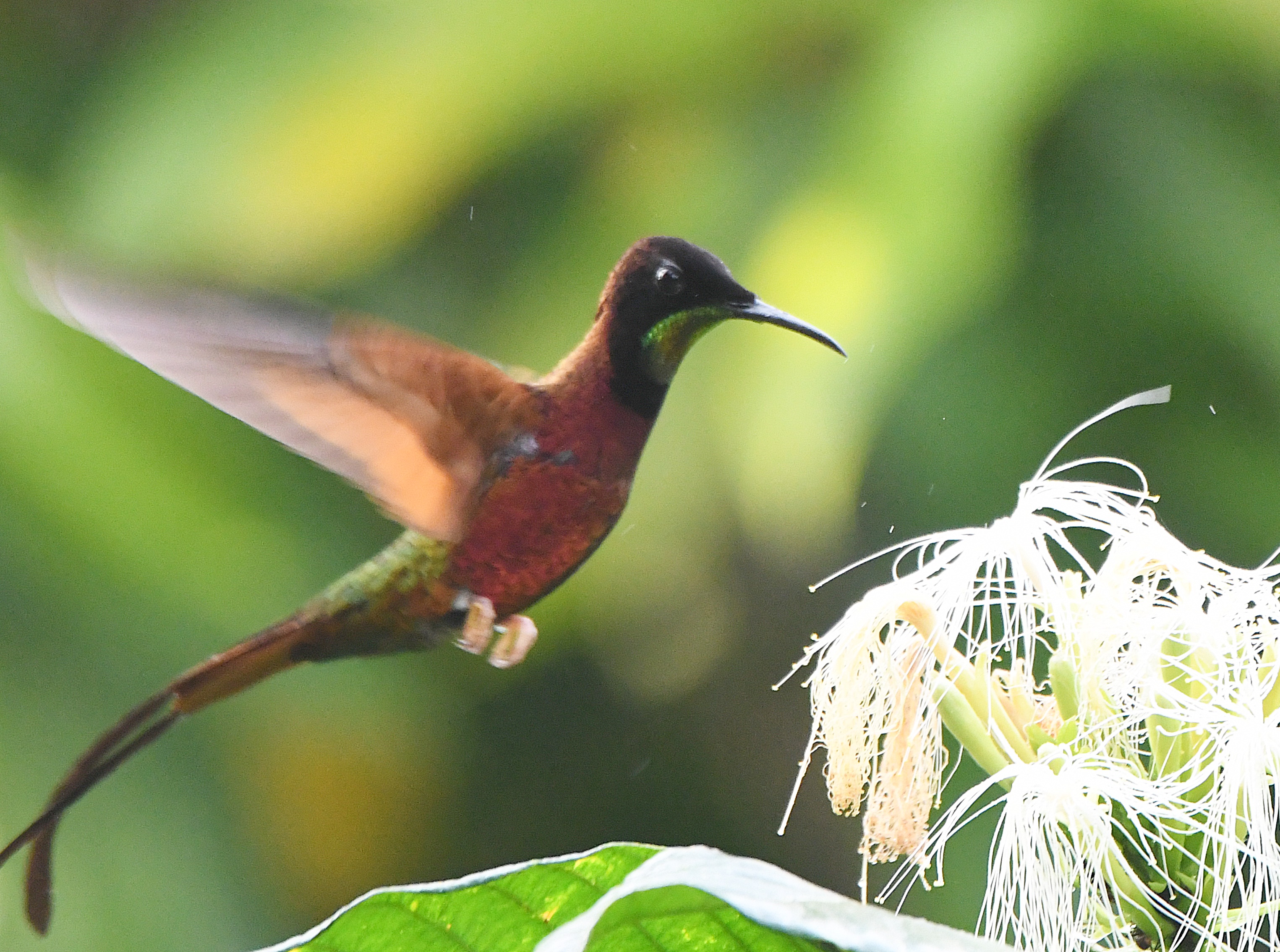
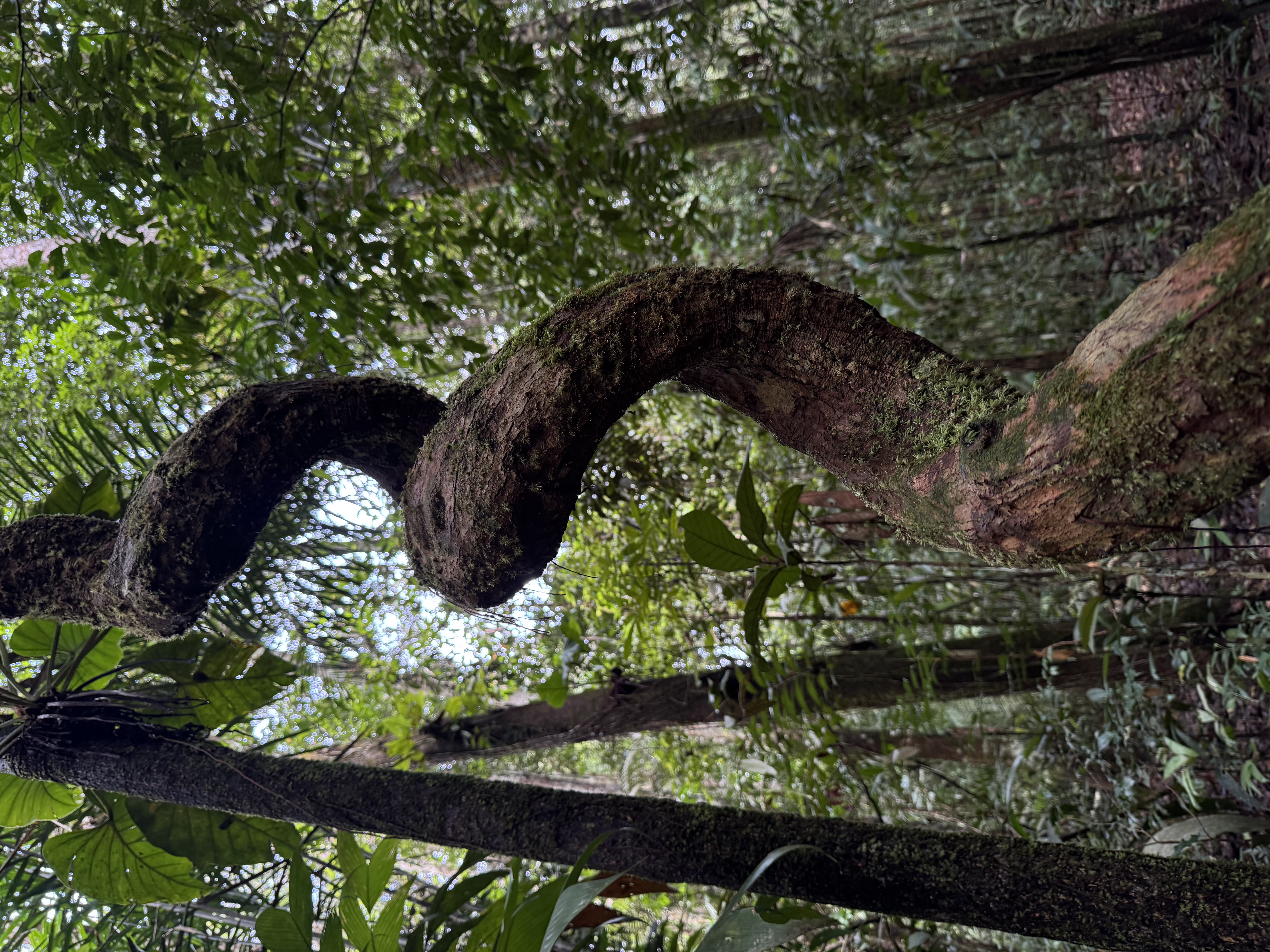
5:00 AM into the highland terra firme forest in search of understory species that never appear in the canopy. Antwrens and antbirds move in mixed-species flocks; manakins snap their wings at leks hidden between the roots; jacamars sit motionless on exposed perches, bronze and iridescent, waiting. After lunch in Presidente Figueiredo, we board a regional riverboat and navigate south along the Rio Negro toward Rio Ariaú. The evening's reward is the nocturnal shift — owls, nightjars, and the first spectacle of the black-water night. Night aboard the riverboat.
Day 3
Canoe Trip in the Várzea
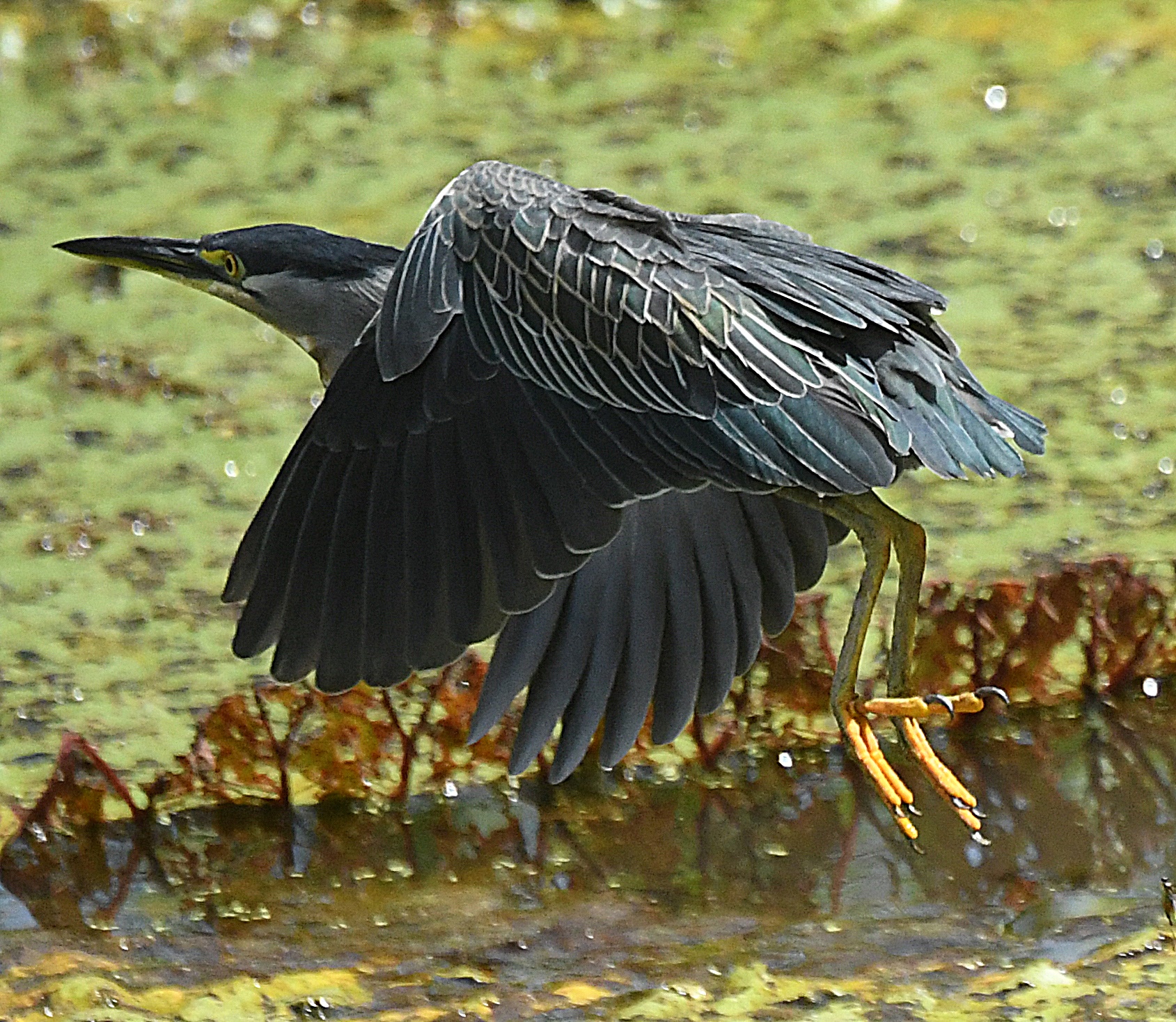
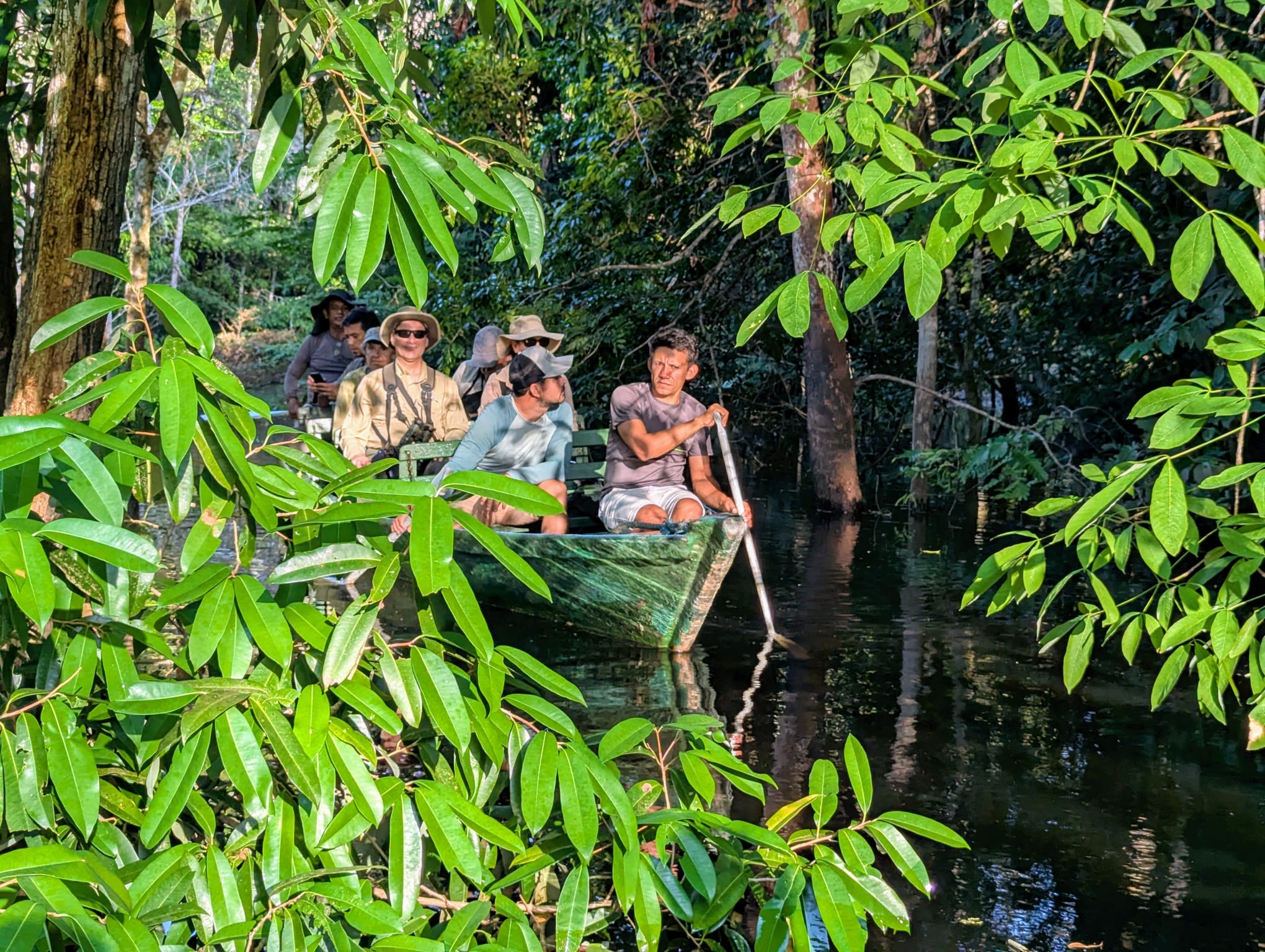
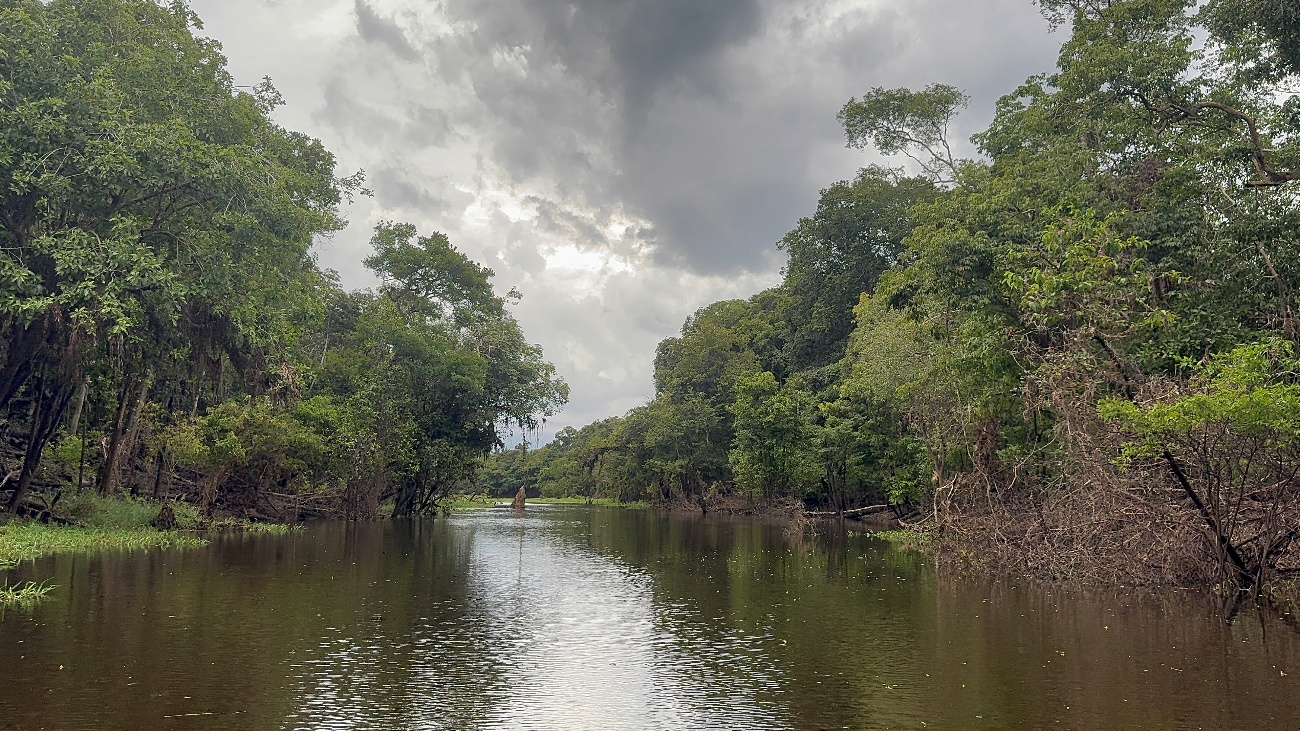
5:30 AM in a silent canoe through the várzea — the seasonally flooded white-water forest where species diversity explodes at the boundary between land and river. The trees are half-submerged; herons stand rigid on emergent roots; kingfishers flash past. Breakfast at 9:00 AM before navigating into Anavilhanas National Park through a labyrinth of narrow igarapés. The afternoon brings a focused search for the Wire-tailed Manakin at its display site — one of the most charismatic of all Amazonian birds, and a checklist prize for any serious birder. Night aboard the boat.
Day 4
Birds of the National Park Islands
6:00 AM into the Anavilhanas archipelago by canoe — the world's largest river archipelago, a mosaic of islands, flooded forest, and open channels where the birding changes every 500 metres. After breakfast at 9:00 AM, we navigate downstream with the current, scanning riverbanks where parrots assemble in the morning light, toucans call from fig trees, and macaws trace long arcs across the open sky. Meals feature fresh Amazonian fish and regional fruits eaten on deck as the forest slides past. Night aboard the boat.
Day 5
Great Várzea — Lago Reis
5:30 AM aboard a motorized canoe heading to Lago Reis, a remote lake system where floodplain species accumulate in extraordinary density. The target here is restricted-range birds — woodpeckers and woodcreepers bound to the várzea belt, species that appear on no terra firme checklist. Breakfast at 9:00 AM, lunch at noon. The afternoon follows the river margins: macaws in pairs over the canopy, orange-winged parrots roosting in dense gallery forest. This is the tour's most productive single day by species count. Night aboard the boat.
Day 6
Igarapé Between Two Worlds
5:00 AM to a narrow igarapé that threads between várzea and terra firme — two forest types in close contact, a transition zone that generates the rarest sightings of the entire tour. Species confined to one side occasionally cross to the other; endemic and near-endemic birds appear that would not be found anywhere else in the itinerary. Breakfast at 9:00 AM, lunch at noon. The afternoon explores primary forest igarapés by canoe until dusk, maximising species coverage before the final day. Night aboard the boat.
Day 7
Amazon River Meanders — Return to Manaus
5:30 AM: one final motorized canoe session of approximately two hours — a last chance to add species to the checklist as the floodplain wakes up around you. Breakfast at 8:00 AM before the boat turns and begins the return journey to Manaus, navigating the sinuous meanders of the lower Amazon River. The great loops and oxbow lakes offer a final hour of observation before the city appears on the horizon. You arrive in Manaus with a checklist, memories, and a much clearer sense of how much life a single river basin can hold.