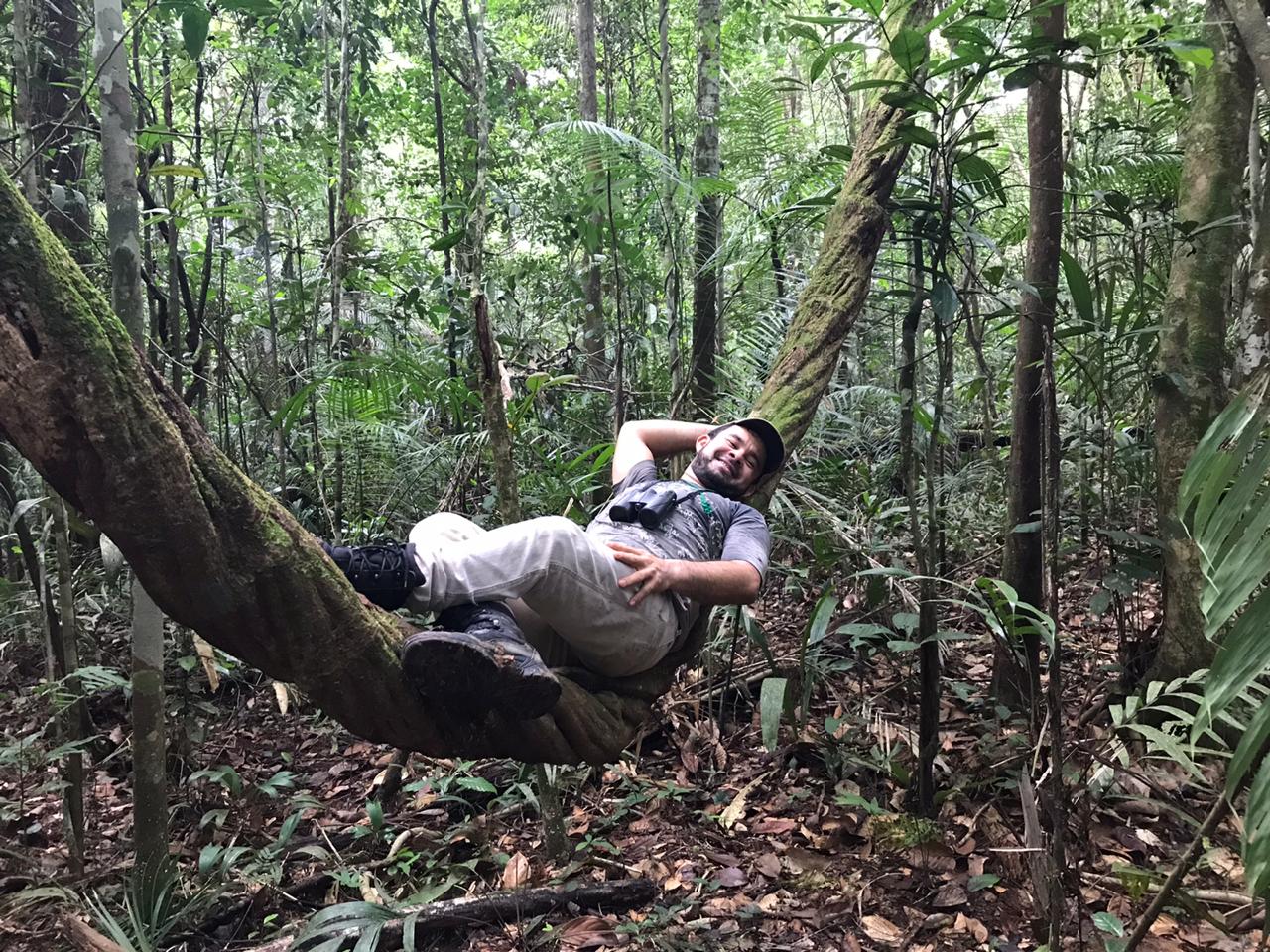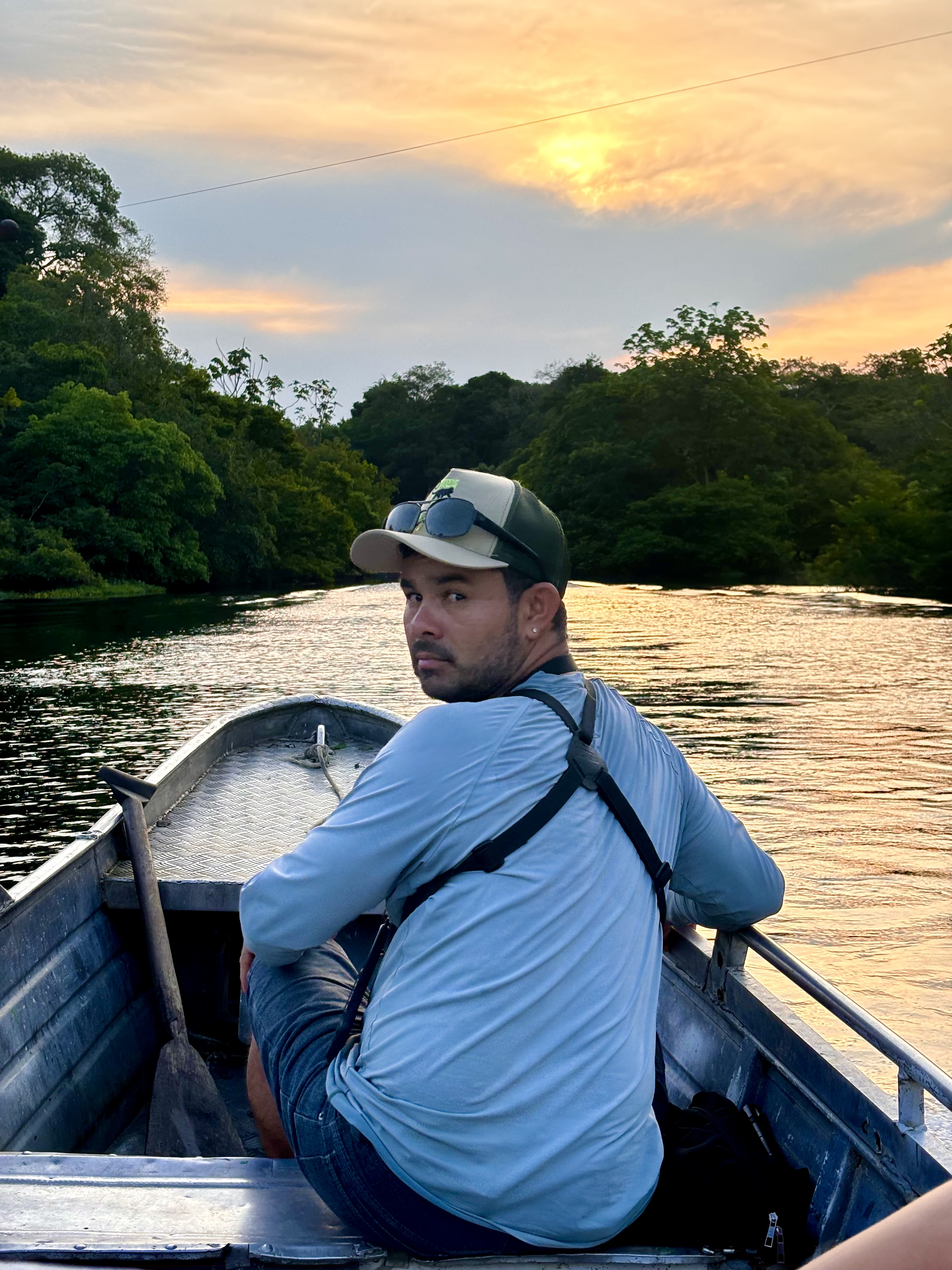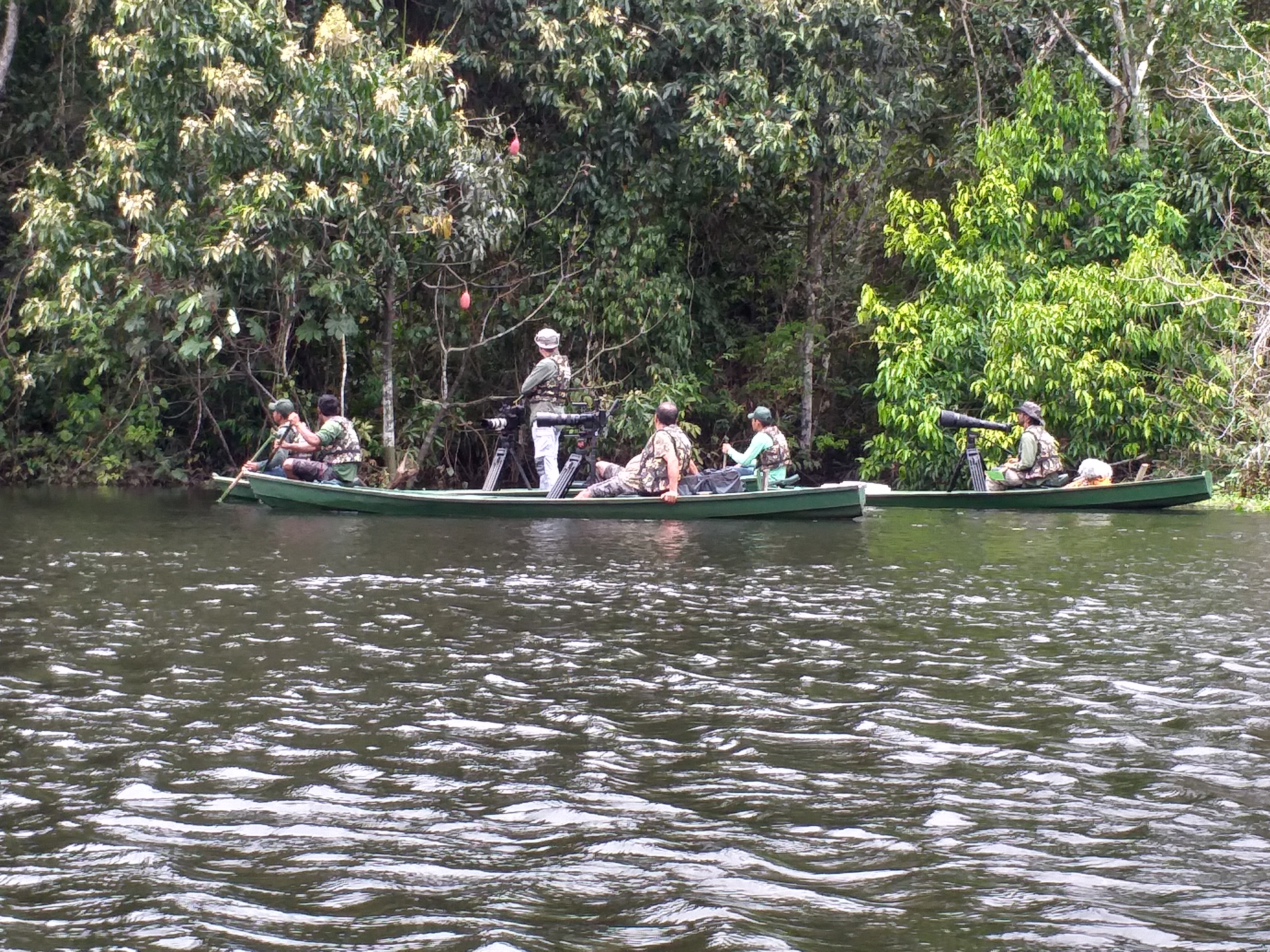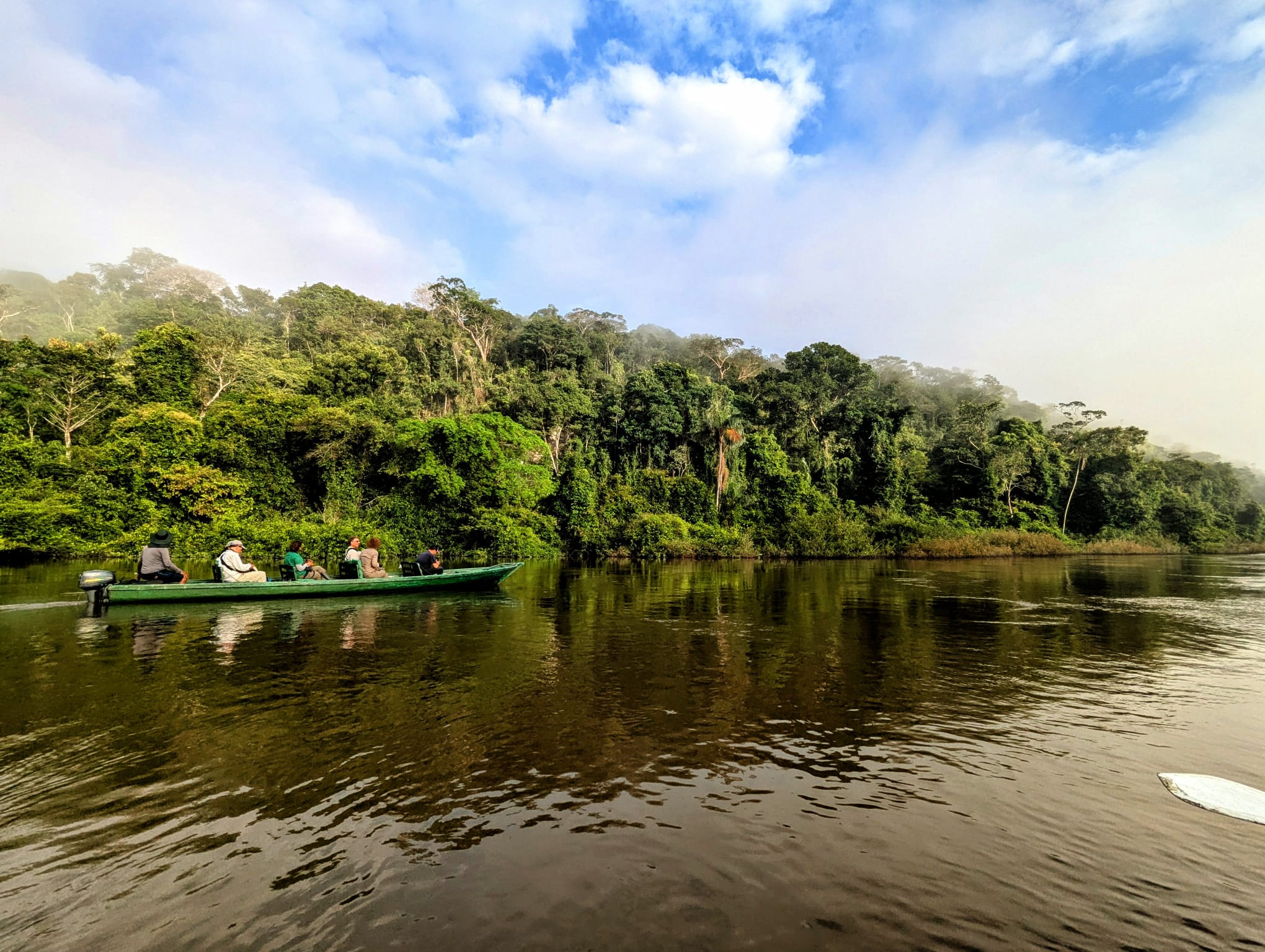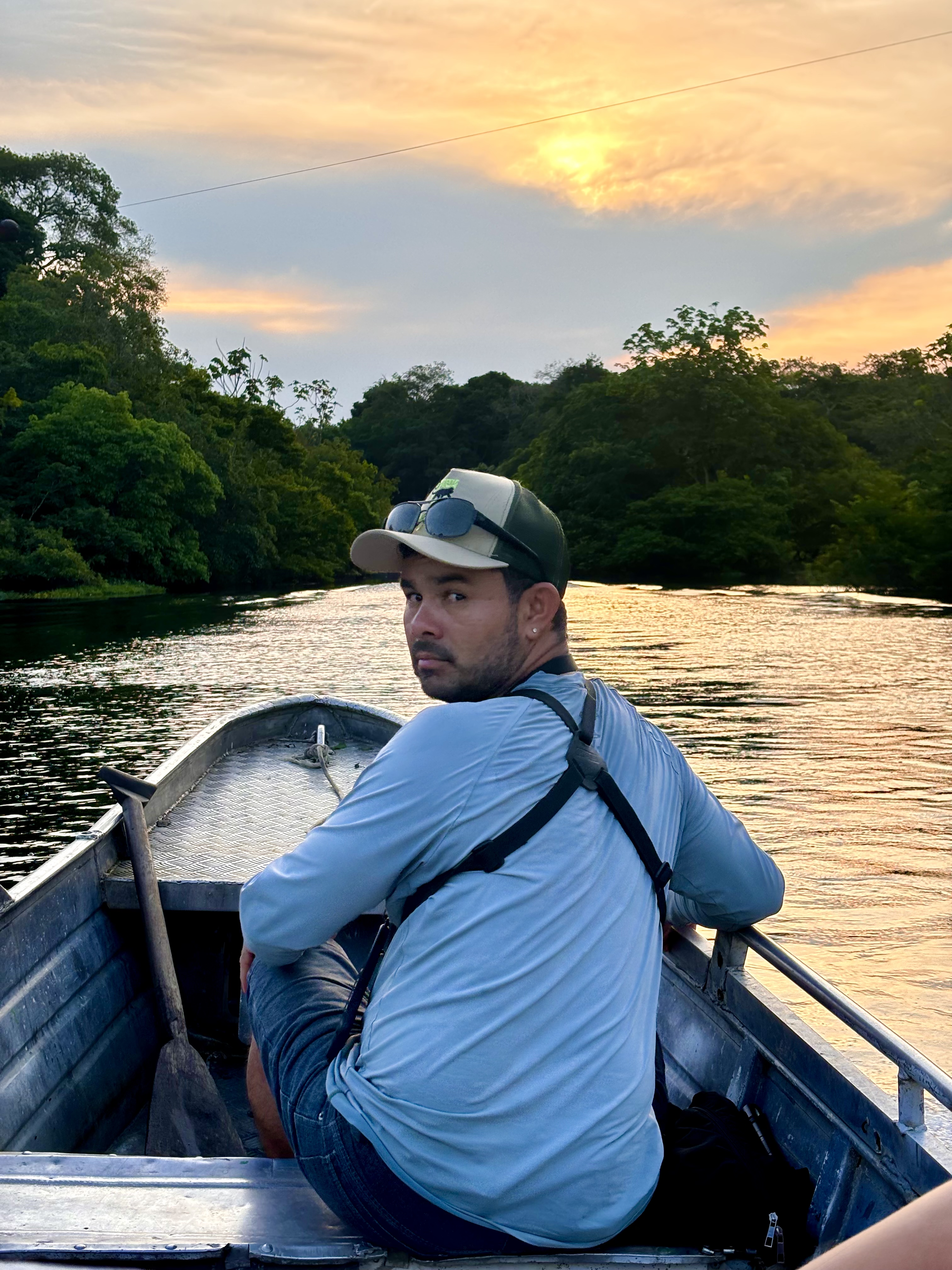

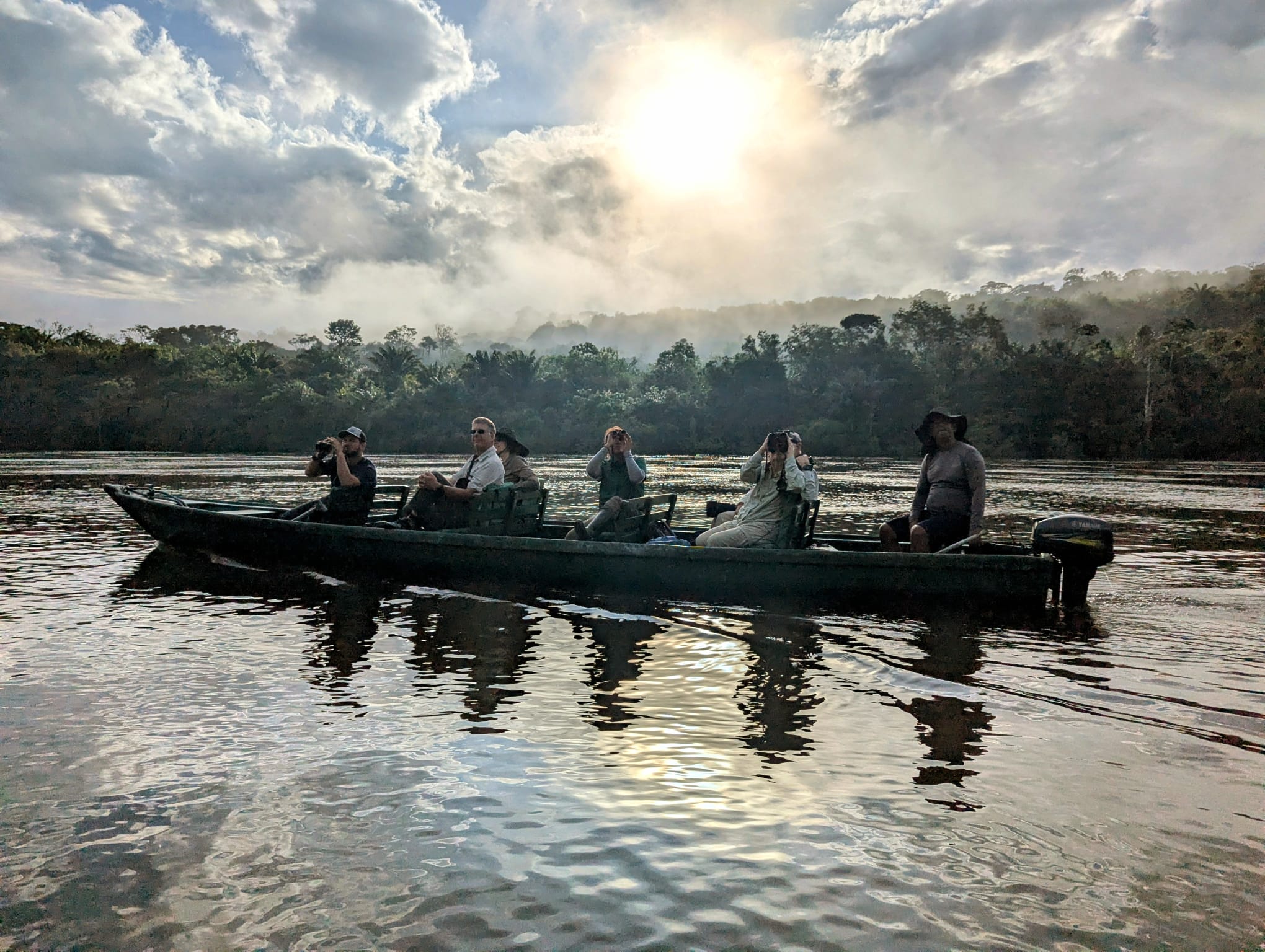
What became Amazon Eco Travellers started the way most things in Amazônia do: slowly, without a fixed plan. A group of naturalists — some who grew up along the Rio Negro, others who came to study and never left — found themselves being asked the same question by foreign visitors at the harbour: can you take me to see that?
So we did. We took small groups into the forest we knew. We showed them the walking palm and explained why it walks. We pointed out the bushmaster camouflaged in leaf litter, the gecko hiding in plain sight on the bark, the poison dart frog that patrols a stretch of root no bigger than a kitchen table. We stood still for thirty minutes while a troop of white-faced sakis moved through the canopy above us.
What surprised us was how much it mattered. Not just to the visitors, but to us. Sharing this place — really sharing it, not performing it — turned out to be one of the most effective things we'd found to make people care about the Amazon's future.
The forest does the work. We just make the introductions.